A catastrophic injury sustained during an Instacart delivery, such as a severe spinal cord injury or traumatic brain injury, can result in lifetime costs that often exceed initial estimates by millions of dollars. The financial burden can be staggering, fundamentally altering not only the injured individual’s life but also the financial stability of their family for decades. How prepared are individuals and their families for the true, long-term economic impact of such a devastating event?
Key Takeaways
- The average lifetime cost for a severe spinal cord injury (C1-C4 tetraplegia) sustained at age 25 is estimated at over $5.4 million in 2026, according to the National Spinal Cord Injury Statistical Center.
- Medical care often accounts for less than half of total lifetime costs. Non-medical expenses like lost wages and home modifications contribute significantly to the overall financial burden.
- Chicago-specific factors, including higher cost of living and specialized medical facility charges, can inflate catastrophic injury costs by 15% to 25% compared to national averages.
- Workers’ compensation benefits for Instacart drivers in Illinois are contingent on their classification as employees, a legal battleground that directly impacts access to complete coverage.
- Aggressive legal representation from the outset is critical to secure adequate compensation that truly reflects the full scope of lifetime needs, not just immediate medical bills.
The Staggering Reality: Over $5.4 Million for a Severe Spinal Cord Injury
The financial implications of a catastrophic injury are immense, extending far beyond immediate medical bills. Consider a scenario where an Instacart driver in Chicago suffers a severe spinal cord injury, specifically C1-C4 tetraplegia, at the age of 25. According to the National Spinal Cord Injury Statistical Center (NSCISC), the estimated average lifetime cost for such an injury, factoring in medical care and living expenses, stands at over $5.4 million as of 2026. This figure isn’t just a number. It represents a lifetime of specialized medical care, personal assistance, and adaptive equipment. It’s a figure that most families simply cannot absorb without complete compensation.
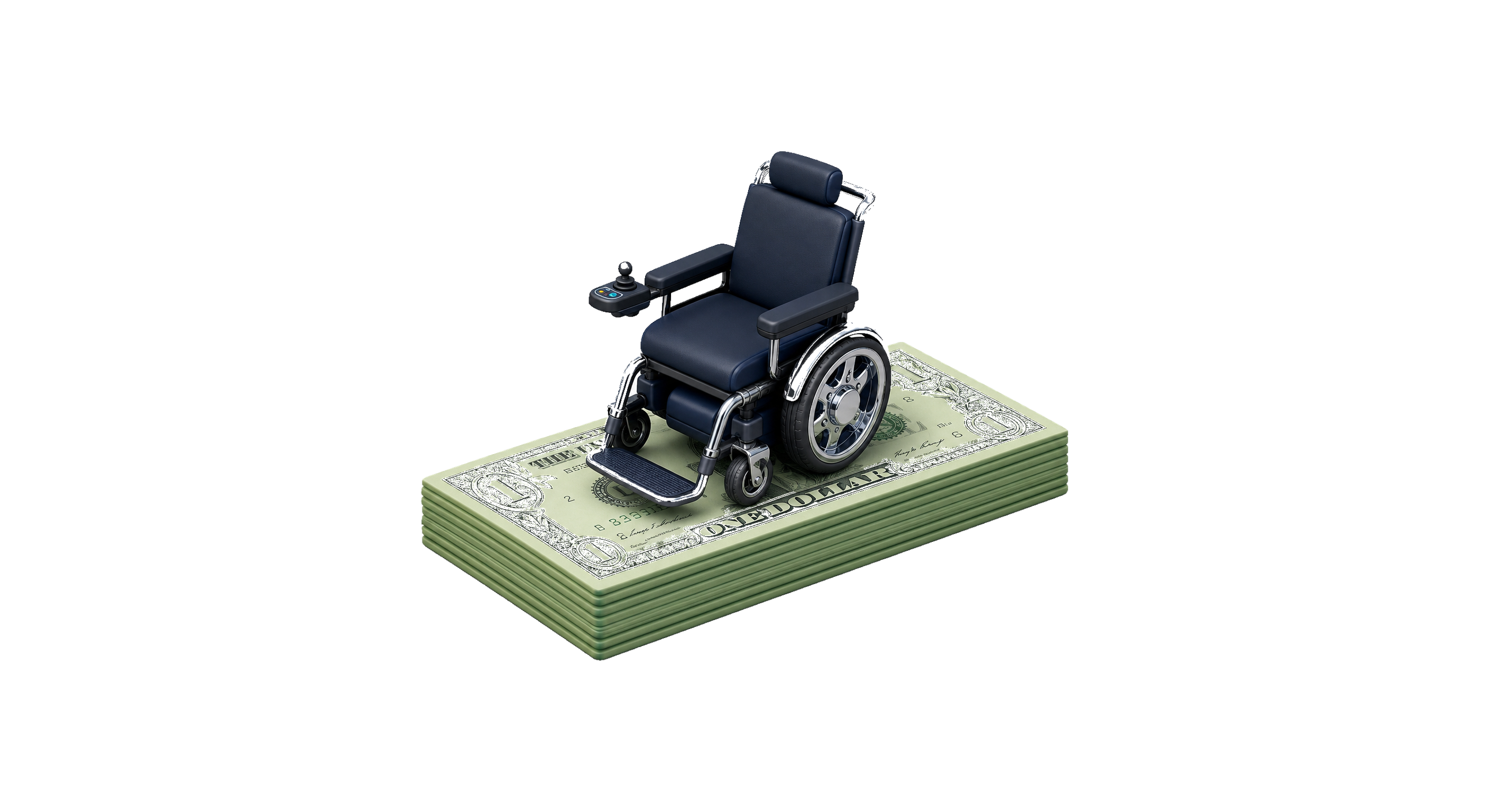
This statistic shows the critical need for careful financial planning and aggressive legal pursuit in such cases. The initial years post-injury are often the most expensive due to acute care, rehabilitation, and the immediate need for home modifications. However, ongoing costs for things like medication, attendant care, and durable medical equipment persist for decades. We see clients often underestimating the long-term need for assistive technology, for example, which requires frequent upgrades and maintenance. A power wheelchair, for instance, isn’t a one-time purchase. It’s a recurring expense every few years, plus battery replacements and repairs.
Suffered a serious injury?
Know what your case is worth with AI Catastrophic Payout Calculator for FREE!
Start my free evaluationBeyond Medical Bills: The Hidden Costs of Catastrophic Injuries
While medical expenses are significant, they rarely tell the whole story. For a catastrophic injury victim, medical care often accounts for less than half of their total lifetime costs. The “hidden” costs are substantial and frequently overlooked in initial settlement discussions. These include lost wages, diminished earning capacity, vocational rehabilitation, home modifications, specialized transportation, and emotional and psychological support. For an Instacart driver, a severe injury means an immediate and permanent loss of income, impacting their ability to support themselves and their family.
Involved in a truck accident?
Trucking companies begin destroying evidence within 14 days. Truck accident claims average 3× higher than car accidents.
Let’s break this down. If an individual earning a modest $40,000 annually is permanently unable to work at age 30, their lost lifetime earnings, assuming a retirement age of 67, could easily exceed $1.4 million, even without factoring in potential career advancement or inflation. This doesn’t even touch on the cost of modifying a Chicago home to be wheelchair-accessible. Ramps, widened doorways, roll-in showers, and accessible kitchens can easily cost $100,000 to $300,000, depending on the scope of work and property type. These are not luxuries. They are necessities for independent living. Any legal strategy must account for these non-medical expenditures with the same rigor as medical projections.
Chicago’s Cost Multiplier: Why Local Factors Inflate Expenses
The cost of catastrophic injury isn’t uniform across the United States. Chicago’s specific economic field significantly impacts lifetime costs, often inflating them by 15% to 25% compared to national averages. This isn’t just about higher housing prices. It extends to the cost of specialized medical care, rehabilitation services, and even personal care attendants. Chicago’s major medical centers, while offering world-class care, also come with higher price tags for long-term treatment. For example, rehabilitation facilities like the Shirley Ryan AbilityLab, while excellent, have rates that reflect their specialized expertise and urban location.
The cost of living in Cook County, particularly within the city limits, means that everything from groceries to home health aides commands a premium. A personal care attendant in Chicago, for instance, can cost significantly more per hour than in a smaller, rural community. Plus, transportation costs for accessible vehicles and specialized services within a dense urban environment add another layer of expense. When evaluating a claim, it’s important to work with life care planners who understand these local economic nuances and can accurately project future costs based on Chicago-specific pricing. Failing to do so means the settlement will fall short, leaving the injured person in a precarious financial position years down the line.
The Gig Economy Conundrum: Instacart Driver Classification and Workers’ Compensation
Here’s where the conventional wisdom often fails: many assume that if you’re injured while working, you automatically receive workers’ compensation benefits. For Instacart drivers, and many others in the gig economy, this is far from guaranteed. The legal classification of drivers as independent contractors versus employees remains a fiercely contested issue in Illinois and nationwide. If an Instacart driver is classified as an independent contractor, they are generally not eligible for workers’ compensation benefits under the Illinois Workers’ Compensation Act. This can be devastating in the event of a catastrophic injury.
However, the legal field is constantly evolving. In Illinois, the criteria for determining employee status are complex, involving factors like the company’s control over the worker, the worker’s ability to set their own hours, and whether the work performed is integral to the company’s business. An experienced personal injury attorney can challenge an independent contractor designation, arguing for employee status to secure vital workers’ compensation benefits. These benefits, if granted, can cover medical expenses, lost wages, and vocational rehabilitation, providing an important safety net that traditional health insurance often cannot match. It’s a fight worth having, because the difference in outcome can literally be millions of dollars in secured lifetime care versus crushing debt.
The Power of Early Intervention: Why Aggressive Legal Representation Matters Immediately
Many people believe they should wait to see how their injuries develop before contacting an attorney. This is a deep mistake, especially with catastrophic injuries. The period immediately following an accident is critical for evidence collection, witness statements, and documenting the initial medical interventions. Delaying legal action can compromise the strength of a claim, making it harder to establish liability and secure adequate compensation. We consistently advise immediate consultation. The longer you wait, the more difficult it becomes to reconstruct the incident accurately, and critical evidence can disappear.
Plus, early legal intervention allows for a complete assessment of potential defendants, which might include not only the at-fault driver but also Instacart itself (depending on the employment classification), third-party vendors, or even municipalities if road conditions contributed to the accident. A skilled attorney will also work with medical experts and life care planners from the outset to project long-term costs accurately, ensuring that any settlement or verdict truly covers the injured individual’s needs for their entire life. This proactive approach is the only way to safeguard the financial future of someone facing the immense challenges of a catastrophic injury.
Working through the aftermath of an Instacart catastrophic injury in Chicago demands a deep understanding of complex legal frameworks and an unwavering commitment to securing complete lifetime compensation. The financial stakes are exceptionally high, and without diligent, expert legal counsel, injured individuals and their families risk facing insurmountable economic hardship.
What is considered a catastrophic injury in the context of an Instacart accident?
A catastrophic injury refers to a severe injury that results in long-term or permanent disability, significantly impacting an individual’s ability to work, live independently, or perform daily activities. Examples include severe spinal cord injuries leading to paralysis, traumatic brain injuries, severe burns, loss of limbs, or major organ damage.
Can an Instacart driver in Chicago receive workers’ compensation benefits if they are injured?
Eligibility for workers’ compensation benefits for an Instacart driver in Illinois depends on their legal classification. If they are deemed an employee, they may be eligible under the Illinois Workers’ Compensation Act. However, if classified as an independent contractor, they typically are not. An attorney can help challenge an independent contractor designation to seek these benefits.
What types of lifetime costs are associated with a catastrophic injury?
Lifetime costs include ongoing medical care (doctors’ visits, surgeries, medications), rehabilitation therapy (physical, occupational, speech), assistive devices (wheelchairs, prosthetics), home modifications for accessibility, specialized transportation, personal care assistance, lost wages, and pain and suffering.
How does Chicago’s cost of living affect catastrophic injury claims?
Chicago’s higher cost of living directly impacts the expenses associated with catastrophic injuries. This includes higher rates for medical treatments, rehabilitation services, home health aides, and accessible housing or modifications, often increasing total lifetime costs by 15% to 25% compared to national averages.
Why is it important to contact a lawyer immediately after an Instacart catastrophic injury?
Immediate legal consultation is important for preserving evidence, interviewing witnesses, and establishing the facts of the accident. It also allows attorneys to begin the complex process of assessing lifetime costs, challenging employment classifications if necessary, and negotiating with insurance companies to ensure the injured party receives fair and complete compensation for their long-term needs.