
Downtown Savannah, with its historic squares and bustling streets, presents a unique blend of charm and challenge for pedestrians. A pedestrian accident Savannah involving a turning vehicle at an intersection injury can be devastating, leaving victims with significant physical, emotional, and financial burdens. These incidents are not uncommon. The close quarters of city driving, combined with the often-distracted nature of drivers and pedestrians alike, create fertile ground for collisions. What steps should you take immediately after such an event, and how can you navigate the complex legal aftermath to protect your rights and secure fair compensation? This situation demands immediate, informed action.
Key Takeaways
- Secure immediate medical attention and document all injuries, even those that seem minor at first, as symptoms can worsen over time.
- Report the incident to the Savannah Police Department promptly and obtain a copy of the official accident report for your records.
- Gather evidence at the scene, including photographs of vehicle damage, intersection layout, traffic signals, and any visible injuries.
- Avoid discussing fault or making statements to insurance adjusters without legal counsel, as these can be used against your claim.
- Consult with a qualified Georgia personal injury attorney quickly to understand your rights and options for pursuing compensation.
The Immediate Aftermath: What Went Wrong First
Many individuals, understandably shaken after being struck by a car, make critical mistakes in the initial moments that can jeopardize their future claims. The most common error is delaying medical attention. Adrenaline can mask pain, leading victims to believe they are “fine” only to discover severe injuries hours or days later. I’ve seen clients try to tough it out, only to find themselves in agonizing pain the next morning, and that delay makes it harder to connect the injury directly to the accident in the eyes of an insurer or a jury. Another frequent misstep involves engaging in casual conversation with the at-fault driver or their insurance company without legal representation. Drivers often apologize or make statements that seem innocuous but can be interpreted as an admission of fault on your part. Insurance adjusters, whose primary goal is to minimize payouts, are particularly skilled at extracting information that can weaken your claim.
For example, failing to properly document the scene is a major oversight. People often forget to take photos, or they take insufficient ones. I always tell clients that pictures are worth a thousand words, especially when dealing with property damage or visible injuries. Without clear evidence of the scene, including skid marks, vehicle positioning, and any traffic control devices, reconstructing the accident becomes significantly harder. Similarly, not identifying or speaking with witnesses can be detrimental. Independent witness accounts often carry substantial weight, providing an objective perspective that counters biased narratives from either party. People are often hesitant to get involved, but a quick conversation can yield important contact information. These initial failures can create an uphill battle, making it difficult to establish liability and prove the full extent of property damage claims.
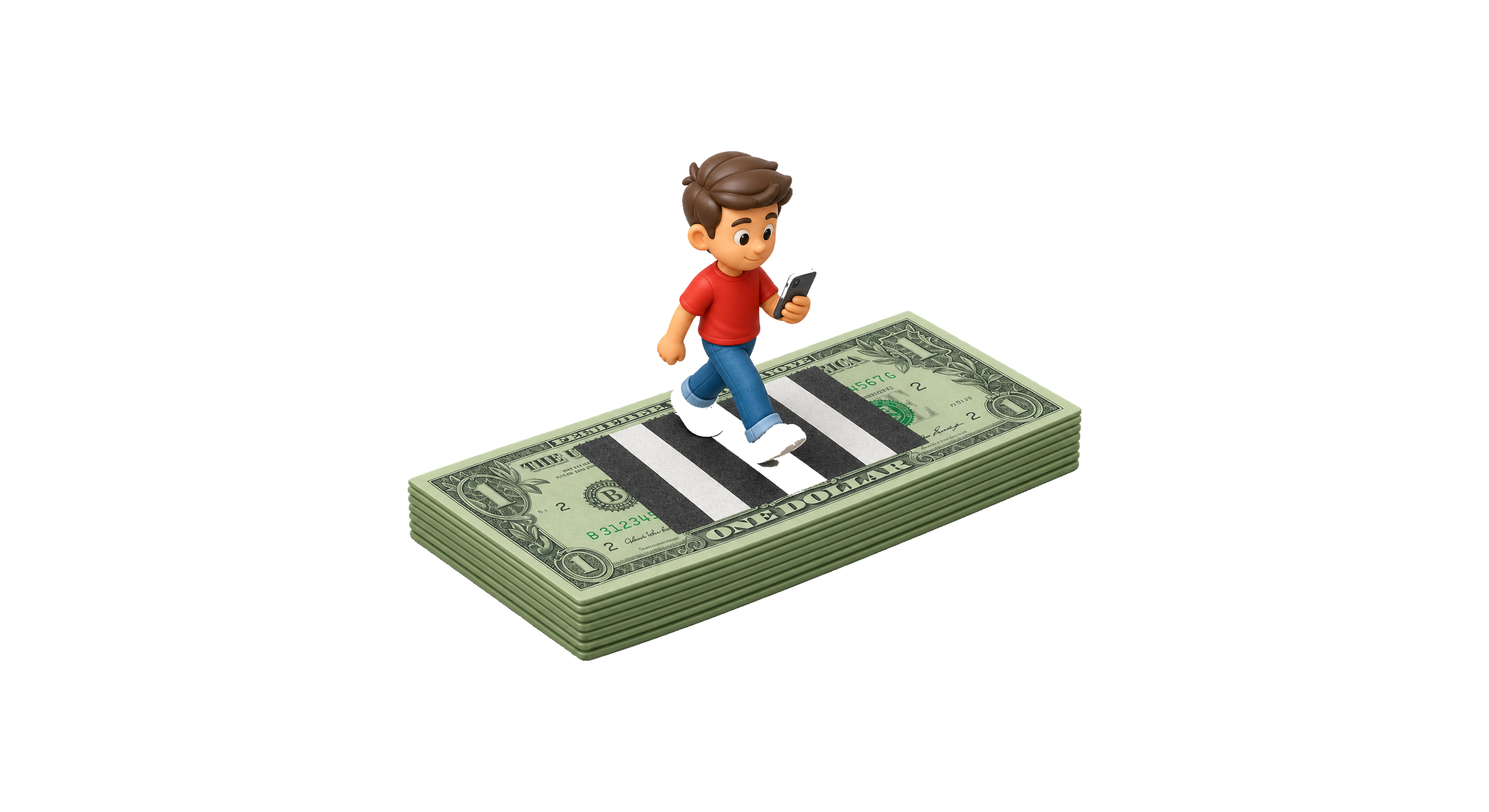
Injured as a pedestrian?
Know what your case is worth with AI Pedestrian Payout Calculator for FREE!
Start my free evaluationUnderstanding the Problem: Pedestrian Vulnerability in Savannah Intersections
Savannah’s historic downtown, particularly around areas like Broughton Street or the intersections near Forsyth Park, presents unique challenges for pedestrians. Drivers, often unfamiliar with the city’s layout or distracted by its beauty, may fail to yield to pedestrians, especially when making turns. Turning vehicle collisions are particularly common at intersections. According to the National Highway Traffic Safety Administration (NHTSA), a significant percentage of pedestrian fatalities occur at intersections, with turning movements by vehicles often cited as a contributing factor. The sheer vulnerability of a pedestrian against a multi-ton vehicle means even a low-speed impact can result in severe injuries.
Georgia law places specific duties on drivers regarding pedestrians. O.C.G.A. § 40-6-91 states that drivers must exercise due care to avoid colliding with any pedestrian and must give warning by sounding the horn when necessary. Plus, O.C.G.A. § 40-6-93 specifies that a driver turning left must yield the right-of-way to any vehicle approaching from the opposite direction that is within the intersection or so close as to constitute an immediate hazard. While this statute primarily addresses vehicle-to-vehicle interactions, the principle of yielding extends to pedestrians who have the right-of-way in crosswalks. When a driver fails to observe these duties, the consequences for a pedestrian can be catastrophic. Common injuries include broken bones, head trauma, spinal cord injuries, and internal organ damage, often requiring extensive medical treatment and rehabilitation.
The Solution: A Step-by-Step Approach to Protecting Your Rights
If you or a loved one has been struck by a turning vehicle in downtown Savannah, a structured approach is essential. Here’s what needs to happen:
Step 1: Prioritize Medical Attention and Documentation
Your health is paramount. Even if you feel okay, seek immediate medical evaluation. Call 911 or have someone else do so. Go to Memorial Health University Medical Center or St. Joseph’s Hospital if necessary. A medical professional can identify injuries that may not be immediately apparent. Importantly, ensure all medical records clearly link your injuries to the pedestrian accident. Follow all doctor’s orders, attend all follow-up appointments, and keep careful records of all medical bills, prescription receipts, and therapy notes. This medical documentation forms the bedrock of your personal injury claim.
Step 2: Secure the Scene and Gather Evidence
If you are physically able, or if a companion can assist, document the accident scene thoroughly. Take photographs from multiple angles: the striking vehicle, its license plate, your injuries, the intersection, traffic signals, street signs, and any skid marks. Note the date, time, and weather conditions. Obtain contact information from any witnesses. If the police respond, cooperate fully and obtain the officer’s name, badge number, and the accident report number. In Savannah, you can typically request an accident report from the Savannah Police Department’s records division. This initial evidence collection is often time-sensitive. Important details can disappear quickly.
Step 3: Understand Communication with Insurance Companies
You will likely be contacted by the at-fault driver’s insurance company. Be polite but firm: do not provide a recorded statement, discuss fault, or sign any documents without first speaking with an attorney. Remember, their adjusters are not on your side. Their goal is to settle for the lowest possible amount. Any statement you make, even an innocent one, can be twisted and used against you. Direct them to your attorney for all future communications. It’s not rude. It’s protecting your interests.
Step 4: Consult with an Experienced Georgia Personal Injury Attorney
This is where specialized legal guidance becomes indispensable. An attorney experienced in Georgia personal injury law, particularly with pedestrian accidents, can assess your case, explain your rights, and navigate the complexities of insurance claims and legal proceedings. We investigate the accident, gather additional evidence (like traffic camera footage or expert witness testimony), calculate the full extent of your damages (including medical expenses, lost wages, pain and suffering), and negotiate with insurance companies on your behalf. If a fair settlement cannot be reached, we prepare to take your case to court. For instance, in Georgia, claims must be filed within a certain timeframe, known as the statute of limitations, typically two years from the date of the injury for personal injury claims under O.C.G.A. § 9-3-33. Missing this deadline can permanently bar you from seeking compensation.
Step 5: Pursue Fair Compensation
The goal is to recover compensation for all your losses. This includes economic damages like medical bills (past and future), lost wages, and property damage, as well as non-economic damages such as pain and suffering, emotional distress, and loss of enjoyment of life. In cases where the driver’s actions were particularly egregious, punitive damages may also be sought, though these are less common. A skilled attorney will build a compelling case to maximize your recovery, ensuring you are compensated for both your immediate and long-term needs resulting from the intersection injury.
Measurable Results: What Success Looks Like
Successful outcomes in pedestrian accident cases aren’t just about a financial settlement. They’re about securing a future for the injured party. When we successfully represent a client, the results are tangible. For example, we ensure that past medical bills are covered, preventing crippling debt. We also fight for compensation for future medical needs, which is particularly important for severe injuries requiring ongoing therapy or long-term care. A client who initially faced tens of thousands in medical debt and couldn’t return to work can, with proper legal representation, see their medical expenses paid, their lost income recouped, and receive funds to cover future rehabilitation. This provides financial stability during a difficult recovery period.
Beyond the financial aspects, a successful resolution brings a sense of justice and closure. Knowing that the at-fault driver has been held accountable can be incredibly helping. We aim to secure settlements or verdicts that fully reflect the physical and emotional toll the accident has taken. This might involve negotiating with multiple insurance carriers, including the at-fault driver’s liability policy and potentially your own uninsured/underinsured motorist coverage, if applicable. The Georgia Department of Driver Services (DDS) outlines insurance requirements for drivers, which can provide a starting point for understanding available coverage. In the end, the result is the ability for the injured pedestrian to focus on their recovery without the added burden of financial stress or the pressure of working through complex legal procedures alone. This allows them to rebuild their lives with confidence, knowing their rights were fiercely protected. For more on working through vehicle-related incidents, consider information on motorcycle accident liability.
Being struck by a vehicle in downtown Savannah is a traumatic experience, but understanding your rights and taking decisive action can make a significant difference in the outcome of your recovery and legal claim. Don’t let initial mistakes or the complexities of the legal system deter you from seeking the justice and compensation you deserve.
What should I do immediately after a pedestrian accident in Savannah?
First, seek immediate medical attention, even if you feel fine. Then, if possible and safe, gather evidence at the scene by taking photos, getting witness contact information, and reporting the incident to the Savannah Police Department to ensure an official accident report is filed.
How long do I have to file a personal injury claim in Georgia?
In Georgia, the statute of limitations for most personal injury claims, including pedestrian accidents, is generally two years from the date of the injury, as outlined in O.C.G.A. § 9-3-33. It’s important to consult with an attorney promptly to ensure deadlines are met.
Should I speak with the at-fault driver’s insurance company?
You should avoid giving a recorded statement or discussing fault with the at-fault driver’s insurance company without first consulting with your attorney. Insurance adjusters are trained to minimize payouts, and anything you say can potentially harm your claim.
What kind of compensation can I receive after being hit by a car?
You may be entitled to compensation for economic damages such as medical expenses (past and future), lost wages, and property damage, as well as non-economic damages like pain and suffering, emotional distress, and loss of enjoyment of life.
Do I need a lawyer for a pedestrian accident claim?
While not legally required, having an attorney is highly recommended. An experienced Georgia personal injury attorney can navigate complex legal procedures, negotiate with insurance companies, gather necessary evidence, and advocate for your best interests to maximize your compensation.



