
The cable car bells and tourist chatter are the normal soundtrack in San Francisco’s Union Square. For Sarah Jenkins, a recent transplant from Seattle, that sound was shattered by screeching tires and the thud of a tour bus hitting her. It happened on a clear Tuesday afternoon in July 2026. She was crossing Powell Street near Geary with a green light when a large tour bus turning left struck her. Sarah became just another statistic in San Francisco’s growing problem with pedestrian accidents, a city struggling to keep people safe amidst its booming tourism industry.
Key Takeaways
- When a commercial vehicle like a tour bus hits a pedestrian, the liability gets complicated fast. You have to investigate the driver’s actions, the company’s hiring and training policies, and even the vehicle’s maintenance records.
- Victims of these collisions in San Francisco can file personal injury claims to get compensation for medical bills, lost paychecks, physical therapy, and also for their pain and the life disruption the accident caused.
- Getting evidence right away, witness names, photos of the scene, and the police report, is what builds a strong case from the start, especially when you’re up against a commercial vehicle.
- While San Francisco’s Vehicle Code Section 21950 requires all drivers and pedestrians to be careful, the law holds professional drivers of big rigs and buses to a higher standard, meaning they’re expected to be *extra* vigilant.
- Getting an attorney who knows commercial vehicle cases on your side quickly can completely change the outcome of a claim, especially when fighting a tour company with deep pockets and aggressive lawyers.
The Incident: A Day Turned Nightmare on Powell Street
Sarah, a 32-year-old software engineer, had just left her new office on Market Street. She was on a quick errand, heading for the Westfield San Francisco Centre. The intersection at Powell and Geary is a mess of shoppers, workers, and tourists waiting for cable cars. She waited for the walk signal. It turned green, and she stepped into the crosswalk. The tour bus, run by “Golden Gate Sightseeing Co.” (a fictional name), was in the left-turn lane on Powell. The driver, Mark Carlson, had been driving this exact route for five years. He told the police he “didn’t see her.”
The bus threw Sarah several feet. Her head hit the pavement hard. The bus wasn’t moving fast, which was lucky, but its weight alone caused massive trauma. Paramedics from the San Francisco Fire Department got there in minutes, and the San Francisco Police Department (SFPD) followed. Sarah was rushed to Zuckerberg San Francisco General Hospital and Trauma Center. Her injuries: a concussion, a fractured tibia, and deep abrasions. Her life was instantly and permanently changed.
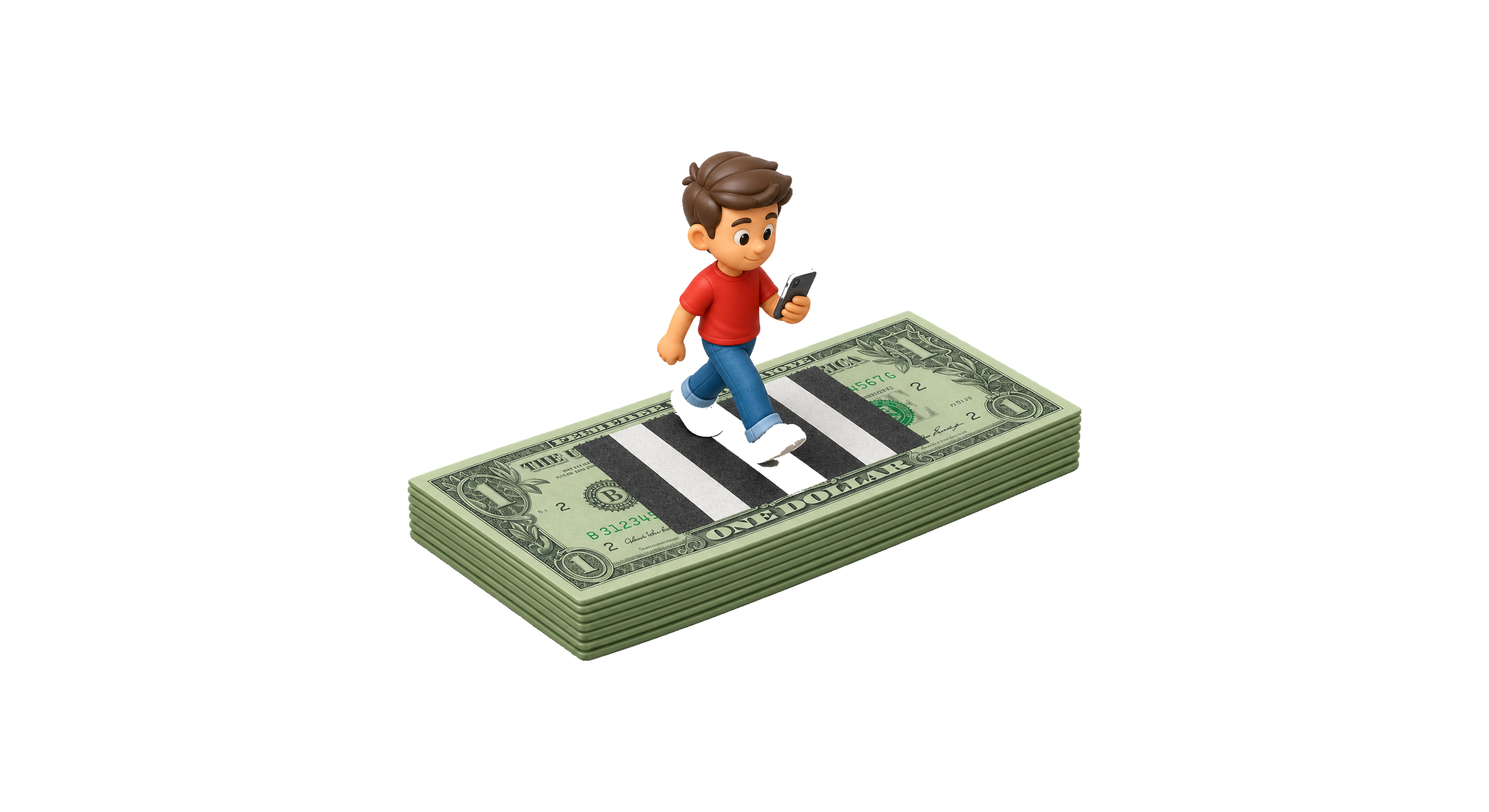
Injured as a pedestrian?
Know what your case is worth with AI Pedestrian Payout Calculator for FREE!
Start my free evaluationImmediate Aftermath: Gathering Evidence at a Chaotic Scene
The chaos right after an accident like Sarah’s is where a personal injury claim is made or broken. “The first 24 hours are paramount,” explains a personal injury attorney with experience in these cases. “Witnesses leave, memories get fuzzy, and physical evidence gets cleaned up. If you can, or if someone can help you, you have to document everything.”
- Police Report: The SFPD’s Accident Report (case number 26-0716-003) had some key facts. It noted the driver, Mr. Carlson, claimed he was checking for oncoming traffic and didn’t see Sarah in the crosswalk. That’s a common excuse, and it almost always points to driver inattention.
- Witness Statements: Two people gave statements to the police: a street vendor named Maria Rodriguez and a tourist from Germany. Maria confirmed Sarah had the walk signal. The tourist happened to be filming the cable cars and caught a few seconds of the bus approaching the intersection before it hit Sarah, which helped establish its position and speed.
- On-Scene Photos: Sarah couldn’t take pictures, but another bystander did, using their phone to get shots of the bus’s final position, the crosswalk, and the traffic lights. Those photos turned out to be incredibly useful.
- Medical Documentation: Every single thing that happened at San Francisco General, every diagnosis, treatment, and pill, became part of Sarah’s medical record. This paperwork is the bedrock of a damages claim.
The SFPD’s traffic collision unit impounded the bus for a quick inspection. They check for vehicle damage, look at tire marks, and pull data from onboard recorders, which most commercial vehicles have now. That data can give them precise information on speed, braking, and steering right before the crash.
Working through Liability: Who is Responsible When a Tour Bus Hits a Pedestrian?
Figuring out who’s at fault when a tour bus hits a pedestrian isn’t simple. The blame can be spread around, and you can bet each party (the driver, the tour company, their insurer) has a legal team ready to point the finger elsewhere. In Sarah’s situation, they had to look at a few different sources of liability.
The Bus Driver’s Negligence
The first person in the hot seat was Mark Carlson, the driver. California Vehicle Code Section 21950 is clear: “The driver of a vehicle shall yield the right-of-way to a pedestrian crossing the roadway within any marked crosswalk…” Witnesses said Sarah had the walk signal, so Carlson failed his most basic duty. And for a professional driving a huge, dangerous vehicle, the law holds them to a higher standard of care. They’re expected to be extra vigilant, not just as careful as a normal driver.
The evidence suggested a few ways he breached that duty:
- Failure to Yield: The main screw-up. He didn’t yield to a pedestrian who had the right-of-way in a crosswalk.
- Inattentive Driving: His admission that he “didn’t see her” is a huge red flag for distracted driving. It doesn’t matter if he was on his phone. It could be fatigue or just plain looking somewhere else instead of the crosswalk ahead.
- Improper Turn: Making a left turn in a bus that size demands extreme caution. Executing it too fast or too wide can easily lead to this kind of tragedy.
The Tour Bus Company’s Responsibility
The bus company, “Golden Gate Sightseeing Co.,” was also on the hook. There’s a legal concept called respondeat superior (“let the master answer”), which holds the company responsible for what its employees do on the job. Since Carlson was driving a company bus during his shift, his screw-up is their screw-up.
The company’s own potential negligence comes into play, too, completely separate from what the driver did. This is where a good lawyer digs in:
- Negligent Hiring: Did they even check Carlson’s driving record? A history of accidents or tickets would be a huge problem for them.
- Negligent Training: Was he properly trained on defensive driving in a dense city like San Francisco and specifically on pedestrian safety?
- Negligent Maintenance: Was the bus itself safe? Were the brakes good? Were the mirrors positioned correctly? A pre-trip inspection log is gold here. The Federal Motor Carrier Safety Administration’s (FMCSA’s Part 396) rules require carriers to systematically inspect and maintain their vehicles, and any failure to do so is a direct line to proving negligence.
- Hours of Service Violations: Federal rules limit how long commercial drivers can be on the road to prevent fatigue. If Carlson was over his hours, the company is in deep trouble for letting it happen.
The City and County of San Francisco
Sometimes, the government body that designed the road can share some blame. For instance, if the traffic signals were broken, the crosswalk paint was totally worn away, or the city knew the intersection was a death trap and did nothing about it, you could file a claim against the City and County of San Francisco. But winning a claim against the city is tough. You have to get past governmental immunity rules and carry a heavy burden to prove the city’s mistake was a direct cause of the accident. In Sarah’s case, nothing immediately pointed to a problem with the intersection itself.
The Road to Recovery: Legal and Medical Battles
Sarah’s first job was just to heal. Her fractured tibia needed surgery with a rod and screws, which meant weeks off her feet. The concussion caused headaches and a cognitive fog that made her high-level tech job impossible to return to for months. All while medical bills piled up, her income stopped, and she dealt with the emotional trauma of it all.
Her family, knowing what a nightmare it would be to fight a commercial insurance carrier alone, pushed her to talk to a personal injury attorney. As one SF lawyer puts it, “Going up against a major tour bus company’s insurer isn’t like a simple car accident claim. They have teams of lawyers paid to minimize payouts, and you need someone who knows their playbook and how to fight back.”
Building the Case: Damages and Demands
Sarah’s legal team went to work, gathering every piece of evidence they could find:
- Medical Records and Bills: This meant compiling every doctor’s note, surgical report, physical therapy log, and pharmacy receipt.
- Lost Wages Documentation: They collected her pay stubs and a letter from her employer that confirmed she couldn’t work. For a software engineer, that lost income adds up fast and can even affect future earning potential.
- Expert Witness Testimony: In a case this serious, they planned to use medical experts (like an orthopedist and a neurologist) to explain the long-term effects of her injuries. An accident reconstruction expert could also be brought in to show a jury exactly how the crash happened.
- Pain and Suffering: This isn’t just a number on a bill. It’s compensation for the physical pain, the emotional distress, and the loss of being able to live your life. For Sarah, it meant not being able to go on her beloved hikes in Marin County or even just get through a day without pain.
The attorney sent an initial notice to “Golden Gate Sightseeing Co.’s” insurance company. The first offer they came back with was a joke, barely enough to cover her emergency room visit, a classic lowball tactic. In response, her team put together a full demand package with all the evidence: witness statements, the police report, photos, and detailed medical reports that spelled out liability and the full extent of her damages.
Negotiation and Potential Litigation
The negotiations began. The insurance company’s lawyers tried to float a comparative negligence argument, hinting that maybe Sarah was distracted. But the witness testimony and police report completely shut that down. She clearly had the right-of-way. California uses a “pure comparative negligence” system, which means even if you’re partly at fault, you can still get damages (your award is just reduced by your percentage of fault). Here, the evidence was overwhelming that the bus driver was 100% at fault.
After a few rounds of back-and-forth, with the very real threat of a lawsuit hanging over their heads, the insurer’s offer jumped significantly. The thought of going to a jury which is expensive and unpredictable, is a powerful motivator for insurance companies to settle. Advised by her lawyer, Sarah accepted a settlement. While the final amount is confidential, it was enough to cover all her medical care (past and future), her lost income, and provide financial stability while she focused on the long road of recovery.
Lessons Learned: Pedestrian Safety in a Tourist City
Sarah’s story is a brutal illustration of the risks pedestrians face in a tourist-heavy city like San Francisco. The city’s economy depends on tourism, but the constant flow of huge tour buses creates a real danger.
- Pedestrians: Be Visible and Vigilant: Even when you have the right-of-way, try to make eye contact with drivers. Stay off your phone. Wear something bright if you’re out around dawn or dusk.
- Drivers: Exercise Extreme Caution: For tour bus drivers, this is non-negotiable. You have to be hyper-aware. Your vehicle has massive blind spots. Always act like a pedestrian could step out at any moment and scan every intersection twice before you move.
- Tour Companies: Prioritize Safety: Solid driver training, regular maintenance, and actually following hours-of-service rules aren’t optional. These companies have a legal and moral duty to run a safe operation.
- Advocate for Safer Infrastructure: Cities can help by installing things like leading pedestrian intervals (LPIs), which give people a few seconds to start crossing before the cars get a green light. Better lighting and clearer crosswalks matter too.
San Francisco’s streets are for everyone. When a commercial tour bus hits a pedestrian, the damage is devastating and ripples outward. Sarah’s case shows how important it is for everyone to be vigilant and why getting expert legal help is so necessary when disaster strikes. Her recovery was long, but because she got the right support, she had the resources to put her life back together after that awful day on Powell Street.
What should I do immediately after being hit by a tour bus in San Francisco?
First, call 911 and get medical help, even if you think you’re okay. Adrenaline can mask serious injuries. If you’re able, take photos of everything: the bus, its license plate, the street, your injuries. Get names and numbers from any witnesses and the driver. Make sure the police come and file a report. Don’t say “I’m sorry” or admit any fault, and never give a recorded statement to their insurance company before talking to a lawyer.
Who can be held responsible if a tour bus hits a pedestrian?
It can be a few different parties. The bus driver is on the hook for their negligence. The tour bus company is responsible for the driver’s actions and for its own potential failures, like bad training or hiring a driver with a poor record. In some cases, if a road was dangerously designed or a traffic light was broken, the city could even be partly at fault. It all depends on the facts of the case.
What kind of compensation can I seek after a tour bus accident?
You can claim “economic” damages, which are things with a clear price tag: past and future medical bills, lost wages from being out of work, and future lost earning capacity. You can also claim “non-economic” damages for things like your physical pain, emotional trauma, and the loss of enjoyment of your life. Punitive damages are sometimes possible if the company’s conduct was especially reckless, but they are not common.
How does California’s comparative negligence law affect my claim?
California has a “pure comparative negligence” rule. It means that if you’re found to be partially at fault for the accident, your final compensation is just reduced by that percentage. So, if a jury finds you were 10% at fault and awards you $100,000, you’d receive $90,000. It doesn’t bar you from recovering money entirely.
Should I hire a lawyer for a pedestrian accident involving a tour bus?
Yes, absolutely. This isn’t a fender-bender. Tour companies have big insurance policies and teams of lawyers whose job is to pay you as little as possible. You need an attorney who specializes in commercial vehicle accidents to level the playing field. They will handle the investigation, deal with the insurer, and fight for a fair settlement or take them to court if necessary.



