
A court ruling out of Arizona is changing the game for slip & fall liability, especially when it involves an UberEats courier unsafe entrance at a Phoenix property. This case clarifies the duty of care property owners owe to delivery drivers, affecting both premises liability and workers’ comp claims. It’s a big deal for anyone who owns a home or runs a business, and for every gig worker dropping off a package. Are you ready for what this means?
Key Takeaways
- The Arizona Court of Appeals case, Patterson v. Estate of Smith (2025), has redefined a property owner’s liability to invitees like delivery drivers under A.R.S. § 12-552.
- Phoenix property owners now have a higher duty to inspect and keep their property safe for people entering for business, and this goes beyond just obvious dangers.
- UberEats couriers and other gig delivery workers hurt by unsafe entryways now likely have stronger claims against property owners.
- Homeowners and businesses need to start doing regular, documented safety checks of their entryways and common areas to avoid getting hit with a lawsuit under this new standard.
- If a delivery driver slips and falls on your property, you need to call a lawyer immediately to understand how this new interpretation affects the claim.
Understanding the Patterson v. Estate of Smith Ruling (2025)
The Arizona Court of Appeals dropped a bombshell decision on October 14, 2025, in Patterson v. Estate of Smith, Cause No. 1 CA-CV 24-0345. The case gets right to the heart of a property owner’s duty to people they invite onto their property for business, like an UberEats courier. The court made it clear that the old “open and obvious” danger defense isn’t a get-out-of-jail-free card anymore, especially when the person is distracted by the very job they were hired to do.
In this case, an UberEats driver, Ms. Eleanor Patterson, was hurt after she slipped on a broken paver in a dark entryway while delivering food in Phoenix’s Arcadia neighborhood. The property owner’s defense was simple: the hazard was “open and obvious.” But the Court of Appeals saw it differently, reversing the lower court’s decision. They pointed out that Ms. Patterson was focused on checking the address and carrying the food, which is a reasonable distraction that could make her miss a minor, but dangerous, defect in the walkway. The official court records from the Arizona Judicial Branch website show the court’s emphasis on the commercial nature of her visit which raises the bar for the property owner’s duty to inspect and maintain a safe path for getting in and out.
Injured in a slip & fall?
Know what your case is worth with AI Slip & Fall Payout Calculator for FREE!
Start my free evaluationWhat this does is change the working interpretation of A.R.S. § 12-552 on premises liability. The statute itself hasn’t been rewritten, but how judges apply it to commercial visitors has expanded. Property owners are now on the hook to be more proactive about safety in delivery zones, even for hazards they previously could have argued were easy to spot.
Who is Affected by This Legal Update?
The fallout from Patterson v. Estate of Smith hits several groups across Phoenix and the rest of Arizona, and it’s not subtle.
- Property Owners: This means you, whether you’re a homeowner, an apartment manager, or a business owner in a place like Biltmore Fashion Park. Your responsibility to keep your property safe for delivery drivers just got a lot heavier. The burden is now on you to find and fix potential hazards in entryways, stairs, and paths.
- Gig Economy Workers: For UberEats couriers, DoorDash drivers, Instacart shoppers, and other independent contractors, this ruling provides a new layer of protection. If you’re hurt because of an unsafe entrance, your case against the property owner is now much stronger, giving you a better shot at recovering money for medical bills and lost work.
- Insurance Carriers: Homeowner and commercial liability insurers are scrambling. They’re going to have to re-evaluate their risk calculations and maybe even their policy language now that the potential for more slip & fall claims from delivery personnel is very real.
- Legal Professionals: Personal injury lawyers who represent injured drivers have a powerful new argument to make about the property owner’s duty. On the flip side, defense lawyers now have to tell their clients to get serious about documented inspection and maintenance routines.
The ruling really zeroes in on the commercial reason for the visit. A friend visiting your house might have a harder time winning a case over a hazard that was “open and obvious.” But for someone whose job requires them to walk up to your door, hands full, attention divided between your house number and their app, the court has finally recognized that’s a different situation entirely.
Heightened Duty of Care for Property Owners
The Patterson decision puts property owners in Phoenix on notice: you now have a heightened duty of care for the commercial workers coming to your door. This isn’t just about patching up huge, glaring problems. It’s about taking a proactive and detailed approach to finding and fixing hazards. That broken step on your porch you’ve been meaning to fix? If an UberEats courier trips on it, it’s now a massive liability.
So what does this “heightened duty” actually look like in practice? It means property owners need to be doing regular, systematic checks of any place a delivery driver might walk. We’re talking sidewalks, front steps, porches, and especially lighting. And you’d better be writing it down, keeping a log of these inspections with dates and notes on repairs is going to be critical if you ever have to defend yourself in a lawsuit.
Think about a house near Camelback Mountain with one of those uneven, natural stone walkways. Before, a homeowner could argue the terrain is just obviously like that. But after Patterson, if that path is poorly lit at night and a stone has come loose, creating a trap for a delivery driver juggling a phone and a food order, the owner’s exposure to a lawsuit is huge. The court expects property owners to anticipate the normal activities of their commercial visitors and keep the property safe for them.
This separates commercial invitees from social guests (licensees) or trespassers, who are owed a lesser standard of care. Because a business transaction is involved, delivery drivers are now in a special category that demands more from property owners. Frankly, it’s an overdue adjustment that reflects the reality of the modern gig economy and the constant stream of deliveries happening all over the Valley.
Concrete Steps for Property Owners to Mitigate Risk
With the expanded liability from Patterson v. Estate of Smith, property owners in Phoenix need to take immediate steps to reduce their risk. Taking action now is a lot cheaper than fighting a lawsuit later.
- Regular & Documented Inspections: Set up a routine schedule to inspect your entryways, walkways, stairs, and common areas. For a house, once a month is a good start. For a business with constant deliveries, you should be checking daily or weekly. And document everything: date, time, who inspected, and what you found or fixed. Keep that log safe.
- Ensure Adequate Lighting: Bad lighting causes falls. Period. Make sure all your exterior lights work, especially around doors and paths. Motion-sensor lights are a great idea for areas that aren’t lit up all the time.
- Maintain Clear & Even Walkways: Fix uneven pavement, cracks, loose pavers, and broken steps right away. Keep paths clear of debris, leaves, and (during monsoon season) standing water.
- Secure Handrails: Jiggle your handrails on stairs and ramps. If they’re loose, fix them. A wobbly handrail is a lawsuit waiting to happen.
- Review Insurance Coverage: Call your insurance agent and talk about your homeowner’s or commercial liability policy. You need to confirm your coverage is enough to handle this increased liability risk for commercial visitors.
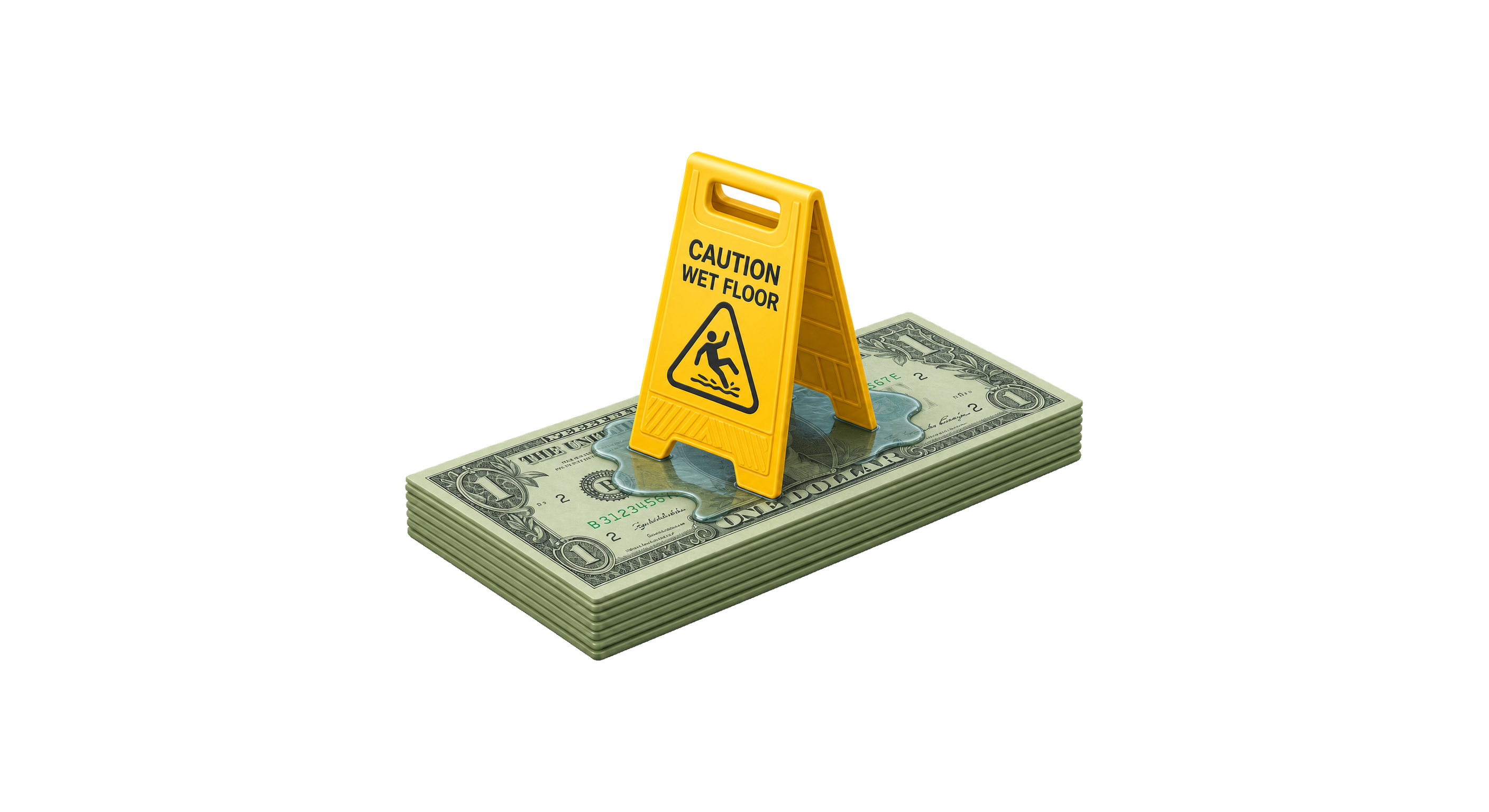
- Implement Warning Systems: While you still have to fix the hazard, putting up a clear “Wet Floor” sign or taping off a broken step can help. But remember what the Patterson ruling said about distracted drivers, a sign alone might not get you off the hook for a pre-existing defect.
This isn’t a complete list, but it’s a solid start for reducing the odds of an unsafe entrance incident. Ignoring this stuff is just asking for trouble in today’s legal climate.
Implications for Injured UberEats Couriers and Other Gig Workers
If you’re an UberEats courier or any gig delivery driver hurt by an unsafe entrance in Phoenix, the Patterson v. Estate of Smith ruling is a big deal. Before, the property owner could often get the case thrown out by arguing the danger was “open and obvious,” even if your attention was on your job.
Now, your lawyer can argue that focusing on the delivery task, finding an address on your phone, carrying a bulky order, working through an app, was a perfectly reasonable distraction. It doesn’t mean the property owner is automatically at fault for every single accident, but it definitely shifts the dynamic and forces a closer look at who was really responsible.
If you get hurt, you need to:
- Get Medical Help Immediately: This creates a record of your injuries.
- Document the Scene: Take pictures and videos of the hazard, the lighting, everything. Get the date and time.
- Find Witnesses: If anyone saw you fall, get their name and number.
- Report the Incident: Let UberEats (or whatever platform you work for) know you were injured. It creates a paper trail, even if their own liability is limited.
- Talk to a Personal Injury Attorney: A lawyer who knows premises liability can analyze your case with the Patterson ruling in mind. They’ll help you deal with Arizona’s comparative negligence laws which can reduce your payout if you’re found partially at fault.
You still have to prove negligence (a duty was breached, it caused your injury, and you have damages). But the Patterson decision has made it easier for commercial invitees to prove that the property owner breached their duty. This gives injured drivers a much better chance at recovering money for medical bills, lost income, and pain and suffering.
Working through Premises Liability Claims in Arizona
Handling a premises liability claim in Arizona after a ruling like Patterson v. Estate of Smith means you have to understand the new field. At its core, any claim still comes down to the duty of care the property owner owed you, which depends on whether you were an invitee, licensee, or trespasser.
For a commercial invitee, which now clearly includes an UberEats courier, the owner has a duty to use reasonable care to keep the property safe. That includes inspections to find hidden dangers and either fixing them or warning you about them. The Patterson ruling gives this teeth by weakening the “open and obvious” defense when a worker is distracted by their job.
Arizona uses a comparative negligence system (A.R.S. § 12-2506). If a jury finds your damages are $100,000 but decides you were 20% at fault, you only get $80,000. But the power of the Patterson case is that it makes it much harder for the defense to stick that 20% on you just because you were looking at your phone’s map instead of a crack in the pavement.
A good attorney will collect all the evidence, incident reports, witness statements, your medical records, and maybe even expert testimony about lighting or property maintenance standards. They’ll then go to bat with the insurance company or file a lawsuit in a venue like the Maricopa County Superior Court. Just don’t wait: Arizona’s statute of limitations (A.R.S. § 12-542) gives you only two years from the date of the injury to file a lawsuit. If you miss that deadline, your claim is gone forever.
The rules have changed in favor of commercial delivery drivers. Property owners have to step up their game, and injured gig workers need to know their rights just got stronger. You can read more about other injury claims like office falls in Roswell.
In short, the Patterson v. Estate of Smith ruling is a major clarification of Arizona premises liability law. For an UberEats courier and other commercial invitees, it’s a huge deal. Property owners must now be vigilant about maintaining safe entryways, and injured gig workers have a much stronger legal footing. For a different look at negligence, check out our article on proving fault in Macon accidents.
What does the Patterson v. Estate of Smith ruling mean for property owners?
It means Arizona property owners have a higher duty to inspect their property and keep it safe for delivery drivers. The “open and obvious” danger defense is now much weaker if the driver was reasonably distracted by their job.
How does this ruling affect an UberEats courier injured by an unsafe entrance?
An injured UberEats courier now has a much stronger premises liability claim. The court has acknowledged that the job itself can distract them from seeing certain hazards, putting more responsibility on the property owner.
What steps should property owners take to comply with this updated duty of care?
They need to start doing regular, documented safety inspections of entryways, make sure lighting is adequate, fix any defects like broken steps or uneven pavement immediately, and check their insurance policy.
Is the “open and obvious” defense still valid in Arizona premises liability cases?
Yes, but its power is limited for commercial invitees. The Patterson ruling says that a worker’s job-related distractions can overcome the argument that they should have seen and avoided an “obvious” hazard.
What is the statute of limitations for filing a slip & fall claim in Arizona?
Under A.R.S. § 12-542, you generally have two years from the date of the injury to file a personal injury lawsuit for a slip & fall in Arizona.



