
There’s a surprising amount of misinformation surrounding slip and fall accidents, especially when a Grubhub delivery driver encounters a wet floor in Phoenix, making it important to understand the actual legal responsibilities involved.
Key Takeaways
- Property owners in Arizona have a legal duty to maintain their premises in a reasonably safe condition for all lawful visitors, including Grubhub delivery drivers.
- To prove negligence in a slip and fall case, an injured party must demonstrate the property owner had actual or constructive knowledge of the dangerous wet floor condition.
- Arizona law, specifically A.R.S. § 12-542, generally imposes a two-year statute of limitations for personal injury claims, including those from slip and fall accidents.
- Comparative negligence in Arizona means that if a Grubhub driver is found partially at fault for their slip and fall, their recoverable damages will be reduced proportionally.
- Documenting the scene immediately after a slip and fall, including photos and witness information, is critical for establishing a strong personal injury claim.
Myth 1: A Wet Floor Sign Absolves All Store Responsibility
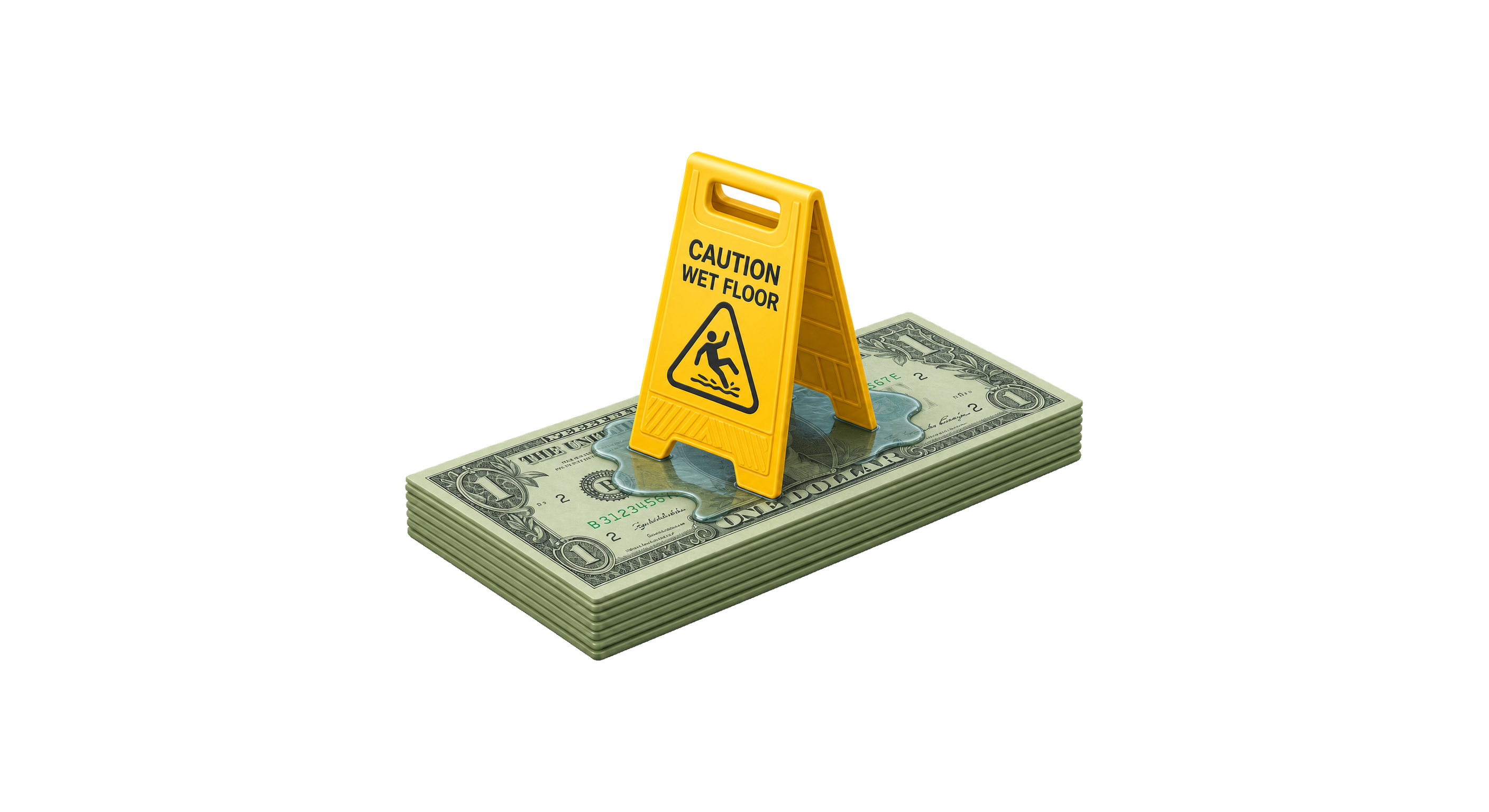
Many people mistakenly believe that simply placing a “wet floor” sign automatically clears a store of any liability if someone slips. This is a pervasive misconception. While a warning sign is a step in the right direction, it doesn’t grant blanket immunity. The core principle in premises liability cases in Arizona is that property owners must maintain their premises in a reasonably safe condition for lawful visitors. This includes identifying and addressing hazards. A sign is merely one aspect of fulfilling that duty. If a store knows about a persistent leak, for example, and only puts up a sign without fixing the underlying problem, they may still be held negligent. The Arizona Supreme Court has consistently affirmed the duty of care owed by property owners to invitees, which would include a Grubhub driver making a delivery. The presence of a sign doesn’t excuse a store from taking other reasonable actions, such as promptly cleaning up the spill, barricading the area, or fixing the source of the wetness. Imagine a scenario where a large puddle has been present for hours due to a broken refrigeration unit, and a small, easily overlooked sign is placed far from the actual hazard. In such a case, a Phoenix jury might still find the store liable despite the sign. The reasonableness of the store’s actions, or lack thereof, is always the central question.
Myth 2: If You Slip, the Store is Automatically Liable
This is perhaps the most common misunderstanding. A slip and fall accident, even one resulting in serious injury, does not automatically mean the property owner is liable. The injured party, such as a Grubhub driver delivering food to a business near the bustling intersection of Camelback Road and Central Avenue, bears the burden of proving the store’s negligence. This means demonstrating that the store either caused the dangerous condition, knew about it and failed to address it, or should have known about it through reasonable inspection. Proving negligence often hinges on the concept of “actual or constructive knowledge.” Actual knowledge means the store’s employees were directly aware of the wet floor. Constructive knowledge means the condition existed for a sufficient length of time that the store, acting reasonably, should have discovered and remedied it. For instance, if a beverage spill occurred just moments before a Grubhub driver slipped, it would be difficult to argue the store had sufficient time to discover and clean it up. However, if that spill sat unattended for 30 minutes in a high-traffic area, a strong argument for constructive knowledge emerges. The specific facts of each case are paramount. You’ll need evidence, like surveillance footage, witness statements, or employee testimony, to establish this knowledge. Without it, your claim faces a significant hurdle.
Injured in a slip & fall?
Know what your case is worth with AI Slip & Fall Payout Calculator for FREE!
Start my free evaluationMyth 3: Grubhub Drivers are Independent Contractors, So They Have No Rights
The classification of Grubhub drivers as independent contractors or employees is a complex issue, but it does not mean they forfeit their rights as lawful visitors to a business premises. When a Grubhub driver enters a store in Phoenix to pick up an order, they are generally considered an invitee under Arizona premises liability law. This means the store owes them the highest duty of care. The store must not only warn of known dangers but also actively inspect for and remedy hazards that could reasonably be discovered. Their independent contractor status primarily impacts their relationship with Grubhub itself, particularly concerning workers’ compensation benefits. As independent contractors, Grubhub drivers typically do not receive workers’ compensation from Grubhub. This makes premises liability claims against the store where the injury occurred even more critical for recovering damages. A personal injury claim against the negligent store is often the only recourse for medical expenses, lost wages, and pain and suffering. It’s a common misdirection for businesses to suggest a driver’s independent contractor status somehow lessens their responsibility, but that’s simply not true when it comes to maintaining a safe environment for all visitors.
Myth 4: You Have Plenty of Time to File a Claim
While it’s true that you don’t need to file a lawsuit the day after your accident, waiting too long can be disastrous for your claim. In Arizona, the statute of limitations for most personal injury claims, including slip and falls, is generally two years from the date of the injury. This is codified in A.R.S. § 12-542. If you fail to file a lawsuit within this two-year window, you will almost certainly lose your right to pursue compensation, regardless of how strong your case might be. This two-year period might seem like a long time, but it passes quickly, especially when you’re dealing with medical treatments, recovery, and the complexities of daily life after an injury. Gathering evidence, investigating the incident, and negotiating with insurance companies all take time. My advice to anyone injured in a slip and fall in Phoenix is to seek legal counsel as soon as possible after addressing immediate medical needs. Early action allows for proper investigation, preservation of evidence (which can disappear quickly, like surveillance footage), and ensures all deadlines are met. Don’t let a procedural misstep derail a valid claim.
Myth 5: If You Were Texting or Distracted, You Can’t Recover Damages
This myth stems from a misunderstanding of Arizona’s comparative negligence laws. It’s true that if your own actions contributed to your slip and fall, your ability to recover full damages might be affected. However, it doesn’t automatically bar you from recovery. Arizona follows a system of pure comparative negligence, as outlined in A.R.S. § 12-2505. This means that even if you are found partially at fault for your injuries, you can still recover damages, but the amount will be reduced by your percentage of fault. For example, if a Grubhub driver was looking at their phone while walking and slipped on a wet floor, and a jury determines they were 20% at fault for not paying attention, their total awarded damages would be reduced by 20%. If they were awarded $100,000, they would receive $80,000. This is a far cry from being completely unable to recover damages. The key here is that both parties’ actions are scrutinized. The store still has a duty to maintain safe premises, and if their negligence contributed to the fall, they bear responsibility. It’s a common tactic for defense attorneys to try and shift all blame to the injured party, but Arizona law allows for a more nuanced assessment.
Myth 6: You Don’t Need an Attorney for a Slip and Fall Case
While you are legally permitted to represent yourself in any legal matter, working through a slip and fall claim, especially against a large corporation or their insurance carrier, is incredibly challenging. Insurance companies are not in the business of paying out claims generously. Their goal is to minimize payouts. They have vast resources, experienced adjusters, and legal teams whose job is to dispute liability, minimize injuries, and find ways to deny claims. An experienced personal injury attorney understands the complexities of premises liability law, knows how to investigate these cases, and can effectively negotiate with insurance companies. They can gather important evidence like incident reports, surveillance video, maintenance logs, and witness statements. They can also connect you with medical professionals who can accurately document your injuries and provide expert testimony if needed. Plus, a lawyer can accurately assess the true value of your claim, including not just medical bills and lost wages, but also future medical needs, pain and suffering, and loss of enjoyment of life. Without legal representation, you risk settling for far less than your claim is worth or having your claim denied entirely. For someone injured in a Grubhub delivery slip on a wet floor in Phoenix, securing legal counsel is often the single most impactful decision they can make to protect their rights and secure fair compensation. Understanding these distinctions is important for anyone involved in a slip and fall incident, especially Grubhub delivery drivers working through the busy streets of Phoenix, ensuring they know their rights and responsibilities.
What kind of evidence is important after a Grubhub delivery slip and fall in Phoenix?
Immediately after a slip and fall on a wet floor in Phoenix, gather evidence such as photographs of the wet area, the surrounding environment, any warning signs (or lack thereof), and your injuries. Obtain contact information for any witnesses, request an incident report from the store, and seek medical attention promptly to document your injuries.
Can I still file a claim if I didn’t report the fall immediately?
While reporting the fall immediately is highly recommended, not doing so doesn’t automatically bar your claim. However, it can make proving your case more difficult. You’ll need to demonstrate that the dangerous condition existed and caused your fall through other evidence, such as witness testimony or surveillance footage if available. It’s best to report it as soon as possible, even if it’s a day or two later.
What if the store claims they didn’t know about the wet floor?
The store’s claim of no knowledge is a common defense tactic. You would then need to prove they had “constructive knowledge,” meaning the wet condition existed long enough that a reasonable store owner, conducting regular inspections, should have discovered and remedied it. Evidence like maintenance logs, employee schedules, or witness testimony about how long the spill was present can be critical here.
Does my Grubhub insurance cover my injuries from a slip and fall?
Grubhub’s insurance policies primarily cover automobile accidents during active deliveries. As an independent contractor, your personal health insurance or the at-fault store’s premises liability insurance would typically be the primary sources of compensation for injuries from a slip and fall accident on store property. Grubhub does not provide workers’ compensation benefits to its independent contractor drivers.
How are “damages” calculated in a slip and fall case in Arizona?
Damages in an Arizona slip and fall case include economic and non-economic losses. Economic damages cover quantifiable losses like medical bills (past and future), lost wages (past and future), and property damage. Non-economic damages are for subjective losses such as pain and suffering, emotional distress, disfigurement, and loss of enjoyment of life. The specific amount depends on the severity of injuries, impact on your life, and the evidence presented.



