
The fluorescent lights of the hotel lobby cast a sterile glow on Sarah’s prone form. A quick trip to Macon for a business conference had turned into a nightmare, all because of a loose floor tile near the check-in desk. This wasn’t just an accident. It was a clear case of Macon hotel fall maintenance neglect.
Key Takeaways
- Property owners in Georgia must maintain safe premises, adhering to O.C.G.A. Section 51-3-1, or face liability for injuries caused by unsafe conditions.
- Victims of falls due to neglect should document the scene thoroughly, including photos, witness contacts, and immediate medical attention, to strengthen their claim.
- Proving maintenance neglect often requires demonstrating the property owner had “actual or constructive knowledge” of the hazard, meaning they either knew or should have known.
- A personal injury claim for a hotel fall can seek compensation for medical bills, lost wages, pain and suffering, and other related damages.
- Understanding the statute of limitations, typically two years for personal injury in Georgia (O.C.G.A. Section 9-3-33), is critical for timely legal action.
The Unforeseen Hazard: Sarah’s Story Begins
Sarah, a marketing executive from Atlanta, arrived at the Grand Central Hotel on Cherry Street, just a block from the bustling Terminal Station, eager to prepare for her presentation. As she approached the reception counter, her heel caught on a raised edge. The next thing she knew, she was on the ground, a sharp pain shooting through her ankle. The culprit? A cracked and uneven decorative tile, clearly an issue that had been present for some time, judging by the wear around it.
Her immediate thought wasn’t about her presentation, but the searing pain. Hotel staff quickly came to her aid, calling for an ambulance that transported her to Atrium Health Navicent Medical Center on Pine Street. Diagnosed with a fractured ankle, Sarah faced not only physical recovery but also the daunting prospect of medical bills, lost work time, and the disruption to her life. This wasn’t just bad luck. It was a failure on the part of the hotel to provide a safe environment for its guests.
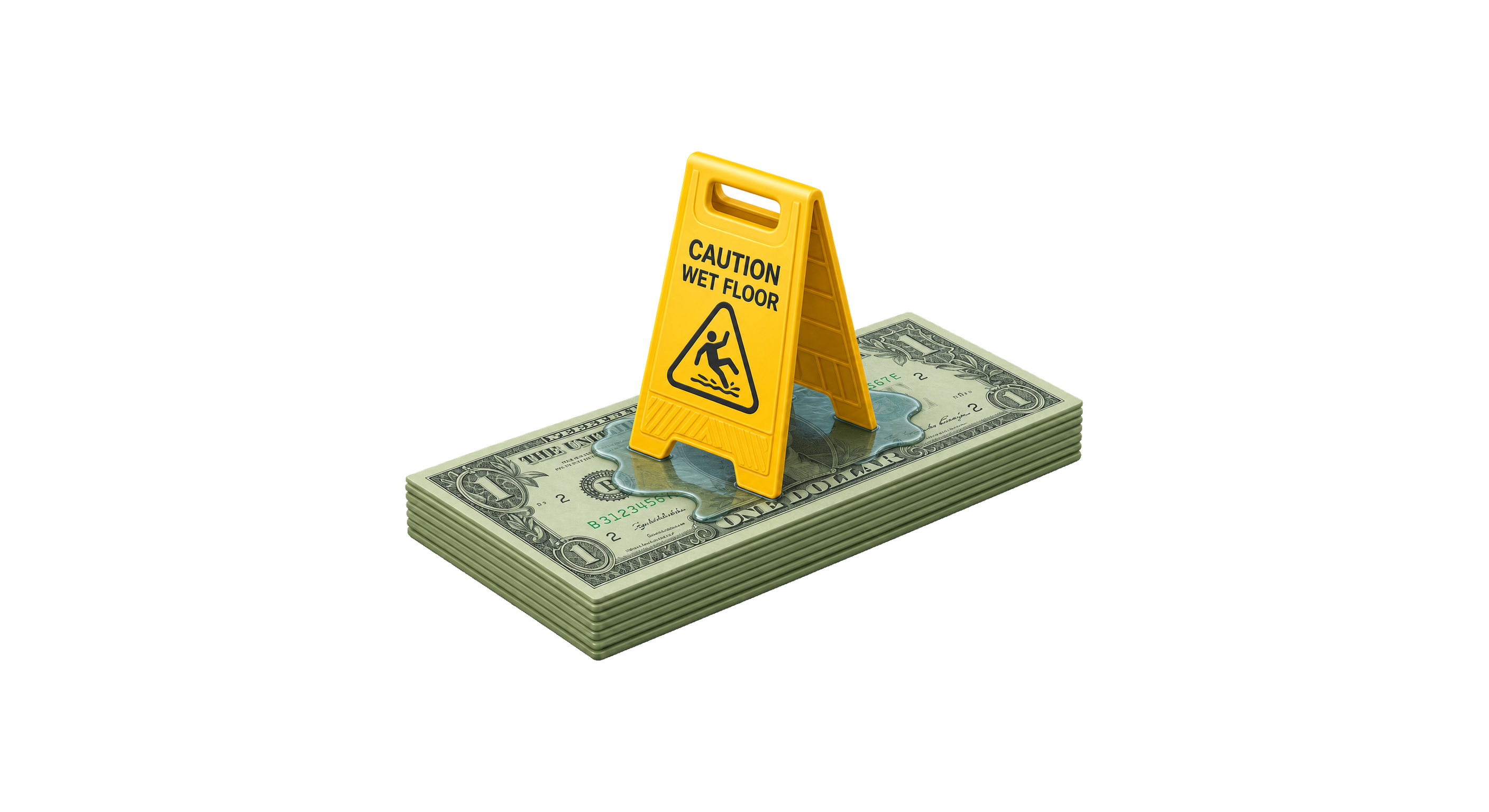
Injured in a slip & fall?
Know what your case is worth with AI Slip & Fall Payout Calculator for FREE!
Start my free evaluationUnderstanding Premises Liability in Georgia
In Georgia, property owners, including hotels, have a legal obligation to keep their premises and approaches safe for invitees, such as guests. This principle is codified in O.C.G.A. Section 51-3-1, which states, “Where an owner or occupier of land, by express or implied invitation, induces or leads others to come upon his premises for any lawful purpose, he is liable in damages to such persons for injuries occasioned by his failure to exercise ordinary care in keeping the premises and approaches safe.”
This “ordinary care” standard is what Sarah’s case hinges on. Did the Grand Central Hotel exercise ordinary care in maintaining its lobby floor? From what Sarah experienced, and what her subsequent investigation revealed, the answer was a resounding “no.” The tile wasn’t just chipped. It was significantly raised, a tripping hazard that should have been identified and repaired long before it caused an injury. We often see situations where businesses prioritize aesthetics or cost savings over safety, a gamble that can have severe consequences for their patrons and significant legal repercussions for them.
The Burden of Proof: Actual vs. Constructive Knowledge
To successfully pursue a claim for a hotel fall due to maintenance neglect, the injured party must prove that the property owner had either actual knowledge or constructive knowledge of the dangerous condition. Actual knowledge means the owner or their employees knew about the specific hazard. Constructive knowledge is trickier. It means the hazard existed for such a length of time that the owner, exercising reasonable diligence, should have discovered and remedied it.
In Sarah’s case, the worn edges and discolored grout around the loose tile strongly suggested it had been a problem for weeks, if not months. This wasn’t a sudden, unforeseeable event. A thorough maintenance log review, if available, would likely show a lack of inspections or ignored reports. It’s not enough for a hotel to simply say they didn’t know. They have an affirmative duty to inspect and maintain their property. When I take on a case like this, one of the first things we look for are maintenance records, incident reports, and even employee testimonies. Sometimes, former employees can be an important source of information regarding long-standing issues.
Gathering Evidence After a Hotel Fall
Immediately after a fall, the shock and pain can make it difficult to think clearly, but collecting evidence is paramount. Sarah, despite her pain, managed to snap a few photos of the offending tile with her phone before the ambulance arrived. This was a critical step. These photos showed the extent of the damage to the tile and its immediate surroundings, providing undeniable proof of the hazard.
Other vital evidence includes:
- Witness information: Names and contact details of anyone who saw the fall or observed the dangerous condition before the incident. Sarah recalled a bellhop and another guest who had rushed to her aid.
- Incident report: Request a copy of any incident report filed by the hotel. These reports often contain important details, though they may also be carefully worded to minimize hotel liability.
- Medical records: All documentation related to injuries, treatment, and prognosis. Sarah’s discharge papers from Atrium Health Navicent and subsequent orthopedic appointments became central to quantifying her damages.
- Surveillance footage: Many hotels have extensive camera systems. Requesting any footage of the area and the time of the fall can be invaluable. However, hotels are not always forthcoming with this, and legal intervention may be necessary.
Without solid evidence, even a legitimate claim can falter. It’s why I always advise clients that the moments immediately following an injury are almost as important as the injury itself for building a strong legal case.
The Legal Process: Working through a Claim
Sarah’s fractured ankle required surgery and extensive physical therapy. The medical bills quickly accumulated, and her inability to work meant a significant loss of income. Frustrated and overwhelmed, she decided to pursue a personal injury claim against the Grand Central Hotel.
The legal process for a premises liability claim typically involves several stages:
- Investigation: Gathering all available evidence, including medical records, witness statements, photographs, and potentially expert opinions on the hotel’s maintenance practices.
- Demand Letter: Once damages are fully assessed, a formal demand letter is sent to the hotel’s insurance company, outlining the facts of the case, the legal basis for liability, and the amount of compensation sought.
- Negotiation: The insurance company will typically respond with a counteroffer, leading to negotiations. This is where experienced legal representation becomes important, as insurers aim to settle for the lowest possible amount.
- Litigation (if necessary): If a fair settlement cannot be reached through negotiation, a lawsuit may be filed in the appropriate court, such as the Superior Court of Bibb County. This can lead to discovery, depositions, and potentially a trial.
It’s important to be aware of the statute of limitations for personal injury claims in Georgia, which is generally two years from the date of the injury, as stipulated in O.C.G.A. Section 9-3-33. Missing this deadline can permanently bar an injured person from seeking compensation.
Compensation for Hotel Fall Injuries
When someone is injured due to maintenance neglect, they may be entitled to recover various types of damages. For Sarah, these included:
- Medical expenses: Ambulance costs, emergency room visits, surgery, prescription medications, and ongoing physical therapy.
- Lost wages: Income lost due to being unable to work during recovery, and potentially future lost earning capacity if the injury results in long-term disability.
- Pain and suffering: Compensation for the physical pain, emotional distress, and disruption to daily life caused by the injury. This is often a significant component of damages in serious injury cases.
- Other related expenses: Travel costs to medical appointments, necessary home modifications, or assistance with daily tasks.
Quantifying these damages requires careful calculation and often the input of medical and economic experts. An injury isn’t just a physical event. It has ripple effects across a person’s entire life, and the compensation sought should reflect that complete impact.
Resolution and Lessons Learned
After several months of intense negotiation, and with the threat of a lawsuit looming, the Grand Central Hotel’s insurance company agreed to a substantial settlement that covered all of Sarah’s medical expenses, her lost wages, and provided significant compensation for her pain and suffering. It wasn’t a quick or easy process, but Sarah’s diligence in gathering initial evidence and her persistence in pursuing the claim in the end paid off.
This case shows a critical point: property owners have a clear legal and moral responsibility to ensure their premises are safe. When they fail in this duty, and someone is injured as a result, they should be held accountable. For anyone visiting a hotel, or any public space in Georgia, it’s wise to be observant of your surroundings. If you notice a hazard, report it. And if you or a loved one suffers an injury due to what appears to be maintenance neglect, act quickly to document the scene and seek legal advice. Your ability to recover compensation often depends on the steps you take in those important early days. You can also explore options for Georgia Scaffolding Collapse claim options or understand the complexities of Georgia warehouse collapse liability, as these cases also involve premises safety. For those in retail, insights on Georgia retail workers’ comp claim hurdles might be relevant if an injury occurs on the job. Similarly, if you experience a fall in a different context, such as Philadelphia Instacart Falls, your 2026 legal rights may vary based on jurisdiction.
What is “premises liability” in Georgia?
Premises liability refers to the legal responsibility of property owners or occupiers for injuries that occur on their property due to unsafe conditions. In Georgia, O.C.G.A. Section 51-3-1 outlines this duty, requiring owners to exercise ordinary care in keeping their premises safe for invitees.
How do I prove a hotel was negligent in a fall case?
To prove negligence, you must demonstrate the hotel had either “actual knowledge” (they knew about the hazard) or “constructive knowledge” (the hazard existed long enough that they should have known) of the dangerous condition that caused your fall, and failed to address it.
What kind of evidence is important after a hotel fall?
Important evidence includes photographs of the hazardous condition, witness contact information, copies of any incident reports filed with the hotel, surveillance footage, and all medical records related to your injuries and treatment.
What types of damages can I claim after a fall due to hotel neglect?
You may be able to claim compensation for medical expenses (past and future), lost wages (past and future), pain and suffering, and other related out-of-pocket expenses incurred due to your injury.
What is the deadline for filing a personal injury claim in Georgia?
In Georgia, the statute of limitations for most personal injury claims, including those from hotel falls, is two years from the date of the injury. This deadline is set by O.C.G.A. Section 9-3-33.



