
In a city like Los Angeles, pedestrian accidents with delivery vehicles like a Grubhub moped happen all the time. After the crash, what’s really complicated is the bad information that spreads about pedestrian rights and driver duties, especially when someone was jaywalking. Knowing the truth here can make or break an injured person’s case. It’s time to clear up some of the worst myths I hear about these accidents.
Key Takeaways
- Jaywalking in Los Angeles doesn’t automatically kill your personal injury claim. You can still recover money even if you were partially at fault.
- Moped delivery drivers have a duty to watch out for all pedestrians, even those not in a crosswalk.
- Grubhub and other delivery services have complicated insurance policies that can seriously affect your claim.
- You have to get evidence at the scene, photos, witness numbers, because it’s the foundation of a strong injury claim.
- Talk to a personal injury lawyer right away. You need to know your legal rights and what compensation you might be looking at.
Myth 1: If a Pedestrian is Jaywalking, They Are Always 100% at Fault
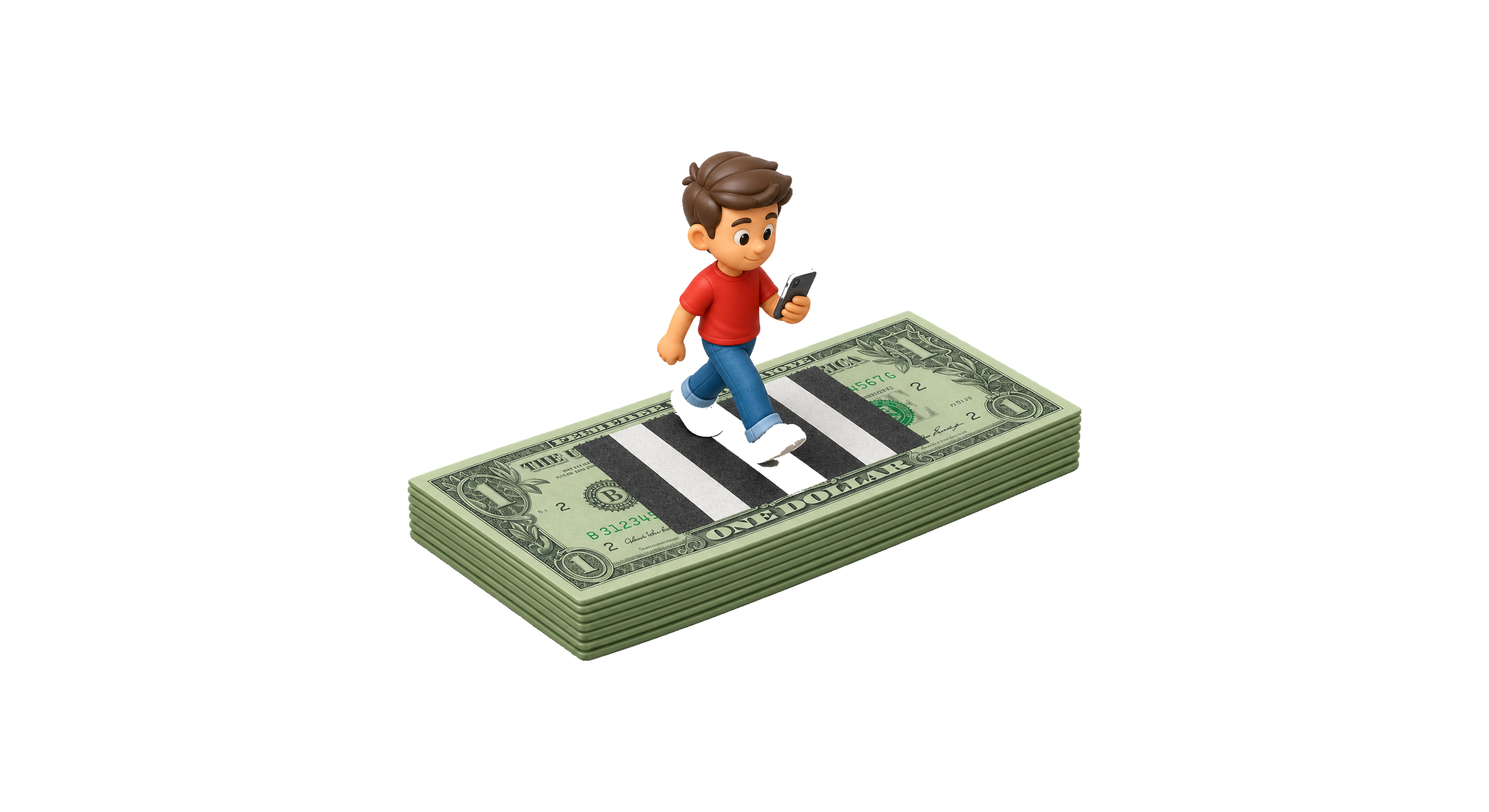
This is the biggest and most damaging myth, especially in California. People think that if you step off a curb outside a crosswalk, you give up all your rights in an accident. That’s flat-out wrong. California law follows a principle of pure comparative negligence, established in cases like Li v. Yellow Cab Co. (1975). What this means in practice is that even if you’re found partly to blame for an accident, you can still get paid for your injuries. Your final compensation is just reduced by whatever percentage of fault is assigned to you. For example, a court might find a pedestrian was 30% at fault for darting into traffic, but the Grubhub moped driver was 70% at fault for speeding, so the pedestrian could still recover 70% of their total damages.
Figuring out who’s at fault isn’t simple. It’s a deep dive into the vehicle’s speed, whether the driver was paying attention, what visibility was like, road conditions, and what the pedestrian was doing. A driver always has a responsibility to drive safely and try to avoid a collision, even with people who aren’t using a crosswalk. The California Vehicle Code Section 21954 says a pedestrian outside a crosswalk has to yield to cars that are an “immediate hazard.” But that same law also says this doesn’t let a driver off the hook from their “duty to exercise due care for the safety of any pedestrian upon a roadway.” This shared responsibility is exactly why jaywalking doesn’t just hand all the blame to the person on foot.
Injured as a pedestrian?
Know what your case is worth with AI Pedestrian Payout Calculator for FREE!
Start my free evaluationMyth 2: Delivery Drivers are Independent Contractors, So Their Companies Aren’t Responsible
The whole employee vs. independent contractor debate for delivery drivers has been a massive issue, particularly here in California with all the legal battles over AB 5. Delivery apps like Grubhub love to classify their drivers as independent contractors, but that label doesn’t magically wipe away the company’s responsibility when a crash happens. The laws for gig economy work are changing fast. In some situations, the company can absolutely be held liable, especially if they were sloppy in their hiring, didn’t provide any real training, or if the driver was rushing to meet a company-set deadline when they crashed. If a Grubhub moped driver was flying down the street because the app pressured them to make an impossible delivery time, that could open the door to holding the corporation responsible.
And there’s another problem: even if the driver is a true independent contractor, their personal car insurance almost certainly won’t cover an accident that happens while they’re working. Most personal policies have a “commercial use exclusion” that lets them deny the claim. This is when the delivery company’s own insurance policies are supposed to kick in, but getting to them is a tangled mess of corporate red tape and specific policy language. This area is incredibly complex, and knowing the specific insurance setup for both the driver and the delivery platform is everything. People who try to handle this alone get stonewalled. An attorney’s guidance is invaluable here.
Myth 3: Minor Injuries Don’t Warrant Legal Action
People often think that if their injuries seem minor right after an accident, getting a lawyer involved is overkill. That perspective can be a very costly mistake. A little soreness or a few scrapes can easily turn into a chronic, painful condition weeks or months down the road. Injuries like whiplash, concussions, and soft tissue damage, not to mention psychological trauma like PTSD, are famous for having delayed symptoms. The CDC’s Pedestrian Safety data shows just how serious these incidents are, with an estimated 137,000 emergency room visits for nonfatal pedestrian injuries in 2020 alone, many with long-term consequences.
Then there’s the money. Medical bills pile up fast, even for what looks like a minor injury. Suddenly you’re paying for diagnostic tests like MRIs, physical therapy appointments, and specialist visits. The wages you lose from taking time off work to recover or go to those appointments add to the financial strain. As a practitioner, my advice is simple: if you’ve been in a pedestrian accident, get checked out by a doctor immediately, and then talk to a personal injury attorney. A lawyer helps you document everything, track the medical bills, and figure out the long-term cost of your injuries to make sure your claim covers all your damages, not just the ones you feel today. If you wait, evidence disappears and memories get fuzzy, which can wreck your chances of getting fair compensation.
Myth 4: You Don’t Need to Call the Police if Injuries Aren’t Obvious
Not calling the cops after getting hit by a vehicle, even a Grubhub moped, is a huge mistake with serious consequences. You might feel okay at the scene, but a police report is the single most important official record of what happened. That report locks in the essential facts: the date, time, and specific location (like the intersection of Wilshire Boulevard and Fairfax Avenue in Los Angeles), who was involved, any witness information, and the officer’s initial take on what happened. Without a police report, your case can quickly turn into a “he said, she said” argument, and proving who was liable becomes ten times harder.
When the Los Angeles Police Department (LAPD) responds, their report becomes the foundation of your injury claim. It’s a formal story that insurance companies and, later, courts will look at first. The police also enforce the law on the spot. Did the moped driver run a red light or were they texting? An officer at the scene might issue a ticket for that, which is powerful evidence of negligence. You should always call 911 after any accident with a motor vehicle, and even if you think you’re fine, let the paramedics check you out.
Myth 5: Insurance Companies Are On Your Side
This is a dangerous idea. Insurance companies are businesses, and their goal is to protect their profits by paying out as little as possible on claims. The adjuster who calls you sounds friendly, but they are trained to find information they can use to reduce your claim’s value or deny it outright. They’ll often push for a quick settlement, offering you a small amount of cash before you even know how bad your injuries really are. They might also try to trick you into saying something that sounds like you’re admitting fault or that you aren’t really hurt.
You should never, ever give a recorded statement to an insurance adjuster without talking to a lawyer first. You have no obligation to do it. Anything you say will be twisted and used against you. A good personal injury attorney knows all these tactics and can take over negotiations for you, protecting your rights and fighting for fair payment for your medical bills, lost income, and pain and suffering. They also know how to dig for all possible sources of money, the driver’s personal policy, the delivery service’s commercial insurance, and maybe even your own underinsured motorist coverage.
If you’re dealing with the aftermath of a Los Angeles pedestrian accident involving a Grubhub moped, especially with claims of jaywalking, you have to be proactive and understand the real rules of the game. Don’t let these common myths or the system’s complexities stop you from going after what you’re owed. Your health and financial future are on the line.
What steps should I take immediately after being hit by a Grubhub moped while jaywalking?
First, get to a safe spot if you can. Then call 911 to get the police and paramedics on the way, even if you feel fine. Get the driver’s contact and insurance info. Use your phone to take pictures of everything: the scene, the moped, your injuries, and any relevant street signs or traffic lights. The most important thing is to get the names and phone numbers of anyone who saw what happened.
Can I still file a claim if I was jaywalking at the time of the accident?
Absolutely. California’s “pure comparative negligence” rule means you can still recover money for your injuries even if you were partially at fault. Your final settlement will just be reduced by your percentage of fault. An attorney is key to fighting over that percentage and making sure the driver is held accountable for their share of the blame.
How does a Grubhub driver’s independent contractor status affect my injury claim?
It makes things much more complicated. While Grubhub will try to use the “independent contractor” label to wash their hands of the accident, they aren’t always off the hook. We have to investigate the driver’s personal insurance (which may not even cover them), Grubhub’s corporate policies, and whether the company itself was negligent. An attorney’s job is to untangle this and find all possible sources of coverage for you.
What kind of damages can I recover in a pedestrian accident claim?
You can pursue compensation for a range of damages, including all your medical bills (both what you’ve already paid and what you’ll need in the future), lost income from being unable to work, diminished future earning capacity, property damage, and your pain and suffering. The total amount depends entirely on the specifics of your case and the severity of your injuries.
How long do I have to file a personal injury lawsuit after a pedestrian accident in California?
The standard deadline, or statute of limitations, for filing a personal injury lawsuit in California is two years from the date of the accident. This deadline can sometimes be shorter or longer depending on the circumstances, so you can’t afford to wait. You should contact a lawyer as soon as possible to protect your right to sue.



