
A motorcycle accident can irrevocably alter a life, particularly when it results in a catastrophic injury Augusta residents sometimes face, such as a loss of limb. The physical and emotional toll is immense, requiring extensive medical intervention, rehabilitation, and a fundamental reorientation to daily existence. Beyond the immediate trauma, victims often grapple with significant financial burdens and a complex legal field. Understanding the path to recovery, both medical and legal, becomes paramount for those affected.
Key Takeaways
- Immediate medical stabilization and surgical intervention are critical for preserving life and managing initial trauma after a motorcycle accident resulting in limb loss.
- The long-term recovery process involves extensive physical therapy, occupational therapy, and prosthetic fitting, which can span years and incur substantial costs.
- Georgia law, specifically O.C.G.A. Section 51-12-5.1, allows for the recovery of both economic and non-economic damages, including pain and suffering, in personal injury cases involving permanent disfigurement.
- Securing compensation for future medical care, lost earning capacity, and adaptive equipment requires detailed documentation and expert testimony.
- Prompt legal consultation with a Georgia personal injury firm is essential to protect rights and navigate the complexities of insurance claims and potential litigation.
The Immediate Aftermath: Emergency Care and Stabilization
When a motorcycle accident leads to a loss of limb, the first priority is always immediate medical care. In Augusta, hospitals like Augusta University Medical Center or Doctors Hospital of Augusta are equipped to handle such severe trauma. Emergency responders focus on stabilizing the patient, controlling blood loss, and preparing for surgical intervention. This initial phase often involves emergency amputation or revision surgery to create a viable residual limb for future prosthetic fitting.
The speed and quality of emergency care directly impact the patient’s prognosis. According to the American College of Surgeons Committee on Trauma, timely access to a Level I trauma center significantly improves outcomes for severe injuries. In Georgia, the trauma system aims to ensure that patients with life-threatening injuries receive specialized care quickly. This initial period is critical not only for survival but for laying the groundwork for long-term recovery. The surgical team works to preserve as much functional limb length as possible, which will be vital for rehabilitation and prosthetic use.
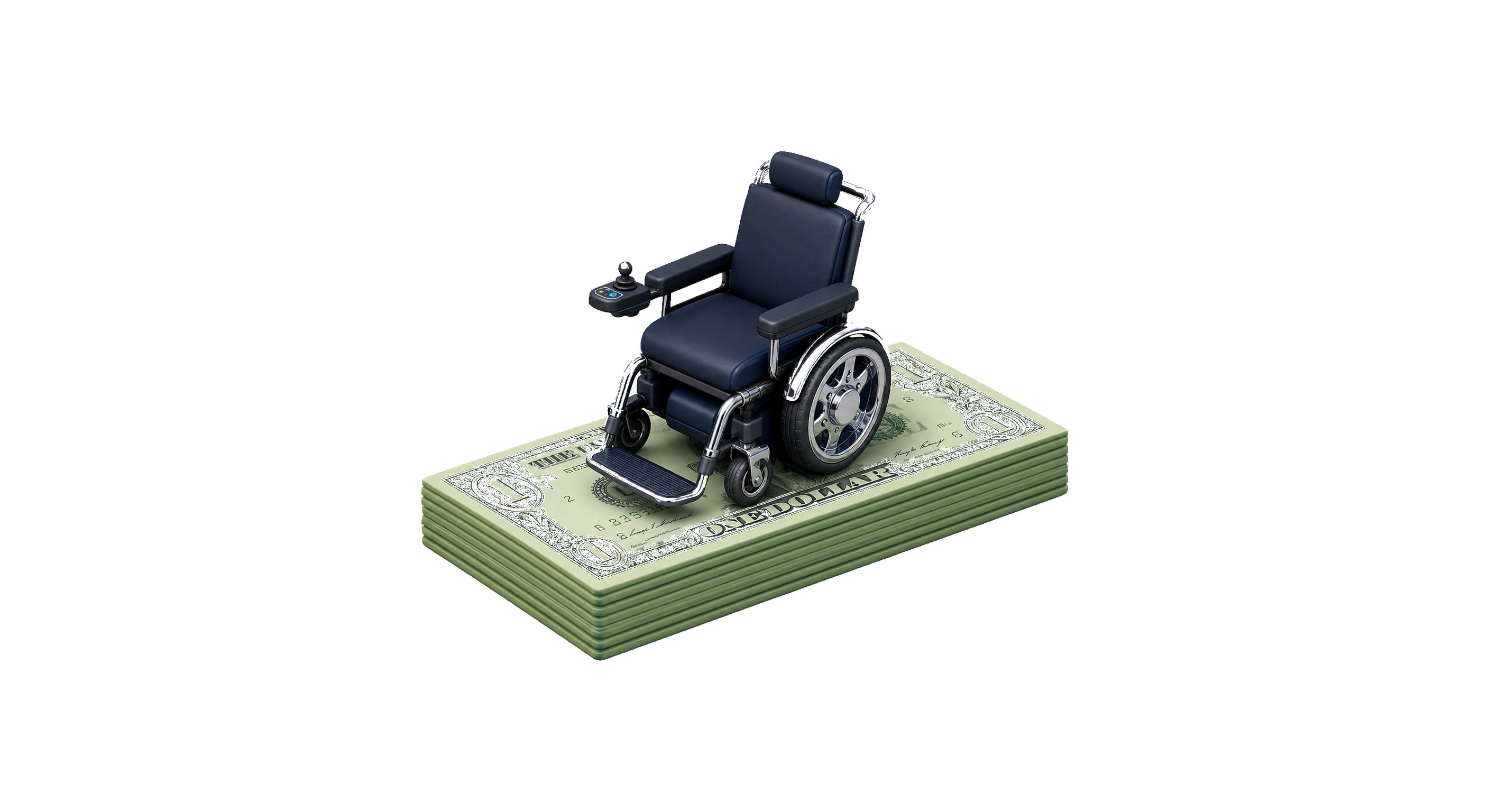
Suffered a serious injury?
Know what your case is worth with AI Catastrophic Payout Calculator for FREE!
Start my free evaluationWorking through the Long Road to Recovery: Rehabilitation and Prosthetics
Following surgical stabilization, the journey of rehabilitation begins. This is an intensive, multi-faceted process designed to help individuals adapt to their new physical reality. It typically involves a team of specialists, including physical therapists, occupational therapists, prosthetists, and psychologists. The goal is to maximize independence and quality of life.
Physical therapy focuses on strengthening the residual limb, improving balance, and preparing the body for prosthetic use. This can involve exercises to increase range of motion, reduce swelling, and manage pain. Occupational therapy helps individuals relearn daily tasks, often with adaptive equipment, to regain independence in areas like dressing, bathing, and eating. The psychological impact of limb loss is also deep. Many individuals benefit from counseling to address grief, depression, and anxiety. The Department of Veterans Affairs, a significant provider of prosthetic care, outlines complete rehabilitation protocols that often span many months, if not years, emphasizing a well-rounded approach to recovery. For example, the Augusta VA Medical Center provides extensive support services for veterans with limb loss, reflecting the complete nature of this care.
The fitting of a prosthetic limb is a key moment in recovery. Modern prosthetics are incredibly advanced, offering a wide range of functionality, from basic walking aids to highly sophisticated bionic limbs controlled by muscle signals. The choice of prosthetic depends on various factors, including the level of amputation, the individual’s lifestyle, and financial resources. Learning to use a prosthetic device requires significant dedication and training. This process often involves multiple fittings and adjustments as the residual limb changes over time. The cost of advanced prosthetics can be substantial, often tens of thousands of dollars, with replacements and adjustments needed throughout a person’s lifetime. This financial burden shows the need for complete legal recovery.
Understanding Legal Recourse: Compensation for Catastrophic Injuries
When a loss of limb results from a motorcycle accident caused by another party’s negligence, victims have legal avenues to pursue compensation. In Georgia, personal injury claims can seek to recover damages for medical expenses, lost wages, pain and suffering, and other losses. Proving negligence is key, which means demonstrating that the other driver failed to exercise reasonable care, directly causing the accident and subsequent injuries.
Georgia law allows for the recovery of both economic and non-economic damages. Economic damages are quantifiable losses, such as:
- Medical Bills: This includes past and future medical expenses, encompassing emergency care, surgeries, hospital stays, medication, physical therapy, occupational therapy, and the lifetime cost of prosthetic devices and their maintenance.
- Lost Wages and Earning Capacity: If the injury prevents the individual from working, or reduces their ability to earn a living, compensation can cover both immediate lost income and the projected loss of future earning potential. This often requires expert testimony from vocational rehabilitation specialists and economists.
- Adaptive Equipment and Home Modifications: The cost of modifying a home or vehicle to accommodate a prosthetic limb or wheelchair, as well as specialized equipment, can be significant.
Non-economic damages address the intangible losses that deeply impact a victim’s life. These include:
- Pain and Suffering: The physical pain endured during the accident, surgeries, and rehabilitation, as well as chronic pain.
- Emotional Distress: The psychological trauma, depression, anxiety, and grief associated with limb loss.
- Loss of Enjoyment of Life: The inability to participate in hobbies, sports, or daily activities that were once central to the individual’s life.
- Disfigurement: The permanent alteration of appearance due to the injury. Georgia’s O.C.G.A. Section 51-12-5.1 specifically addresses damages for pain and suffering in cases of “permanent personal injury.”
The complexity of calculating these damages, particularly future medical costs and lost earning capacity, necessitates experienced legal representation. A skilled attorney will work with medical experts, life care planners, and economists to build a complete case that accurately reflects the full extent of the victim’s losses. This is not a straightforward process. It demands careful documentation and strategic negotiation with insurance companies, which are often focused on minimizing payouts.
The Role of Evidence and Expert Testimony
Building a strong personal injury claim for a catastrophic injury Augusta requires compelling evidence. This includes police reports, accident scene photos, witness statements, and detailed medical records. For a loss of limb, the medical documentation is particularly extensive, covering every aspect of treatment from the emergency room to long-term rehabilitation. This is where the specifics of your care, from the type of surgery performed at Augusta University Medical Center to the specific prosthetic model prescribed, become important evidence.
Expert testimony is often indispensable. Medical experts can explain the nature of the injury, the necessity of past and future treatments, and the long-term prognosis. Vocational experts can assess the impact of the injury on the individual’s ability to work and earn an income. Life care planners can project the lifetime costs associated with medical care, prosthetics, adaptive equipment, and personal assistance. Accident reconstructionists may be needed to establish fault in the motorcycle accident itself. Without these expert opinions, it becomes incredibly difficult to fully articulate the magnitude of the damages suffered.
For example, estimating the lifetime cost of prosthetics requires an understanding of how frequently they need to be replaced, the cost of advanced components, and the ongoing maintenance and repair expenses. These are not figures a layperson can easily determine. The State Board of Workers’ Compensation in Georgia, while focused on workplace injuries, offers a glimpse into the structured approach needed for long-term medical and vocational planning, which mirrors the needs in a severe personal injury case.
Choosing the Right Legal Representation
Selecting a personal injury firm with experience in catastrophic injury Augusta cases, especially those involving loss of limb from motorcycle accidents, is a decision that impacts the entire recovery process. Such cases are inherently complex, requiring a deep understanding of medical issues, accident reconstruction, and Georgia personal injury law. An attorney should be prepared to handle extensive litigation, negotiate aggressively with insurance adjusters, and if necessary, take the case to trial. Many firms operate on a contingency fee basis, meaning they only get paid if they secure compensation for their client. This arrangement allows victims to pursue justice without upfront financial burden during an already difficult time.
When considering legal representation, ask about a firm’s track record with similar cases, their network of medical and vocational experts, and their approach to client communication. The right legal team will not only fight for maximum compensation but also provide guidance and support through the challenging medical and emotional aspects of recovery. They can help navigate the intricate details of Georgia’s legal system, such as understanding statutes of limitations for filing claims, which is generally two years from the date of injury under O.C.G.A. Section 9-3-33 for personal injury. Missing this deadline can forfeit your right to compensation entirely. This is one of those instances where acting quickly is not just a suggestion, it’s a legal imperative. Don’t wait.
Recovering from a loss of limb after a motorcycle accident in Augusta presents deep challenges, but with complete medical care and skilled legal advocacy, individuals can secure the resources necessary for a dignified and fulfilling future.
What are the typical stages of medical recovery after a loss of limb from a motorcycle accident?
Medical recovery typically involves emergency stabilization and initial surgery, followed by post-surgical wound care, physical therapy to strengthen the residual limb, occupational therapy for daily living skills, and eventual prosthetic fitting and training. This process can extend for months or even years, with ongoing adjustments and maintenance of prosthetic devices.
How are future medical expenses, like prosthetic replacements, calculated in a personal injury claim?
Future medical expenses, including the lifetime cost of prosthetic replacements, maintenance, and rehabilitation, are calculated by life care planners. These experts work with medical professionals to project all anticipated medical needs and their associated costs over the victim’s expected lifespan, providing a detailed financial outline for the legal claim.
Can I recover damages for emotional distress and pain and suffering after a catastrophic injury like limb loss?
Yes, Georgia law allows for the recovery of non-economic damages, including pain and suffering and emotional distress, in personal injury claims involving catastrophic injuries such as limb loss. These damages aim to compensate for the significant physical and psychological impact of the injury on the victim’s quality of life.
What evidence is important for a successful personal injury claim involving a motorcycle accident and limb loss?
Important evidence includes the official police report, photographs of the accident scene and vehicle damage, witness statements, detailed medical records (from emergency care through rehabilitation), expert testimony from medical professionals, vocational experts, and accident reconstructionists, and documentation of all financial losses.
What is the statute of limitations for filing a personal injury lawsuit in Georgia after a motorcycle accident?
In Georgia, the general statute of limitations for personal injury claims, including those arising from motorcycle accidents, is two years from the date of the injury, as outlined in O.C.G.A. Section 9-3-33. It is imperative to consult with an attorney promptly to ensure all legal deadlines are met.



